Optics
Reflex sights are some of the most widely used optics today. They offer faster target acquisition than iron sights and many traditional aiming systems. As a result, they have become popular on handguns, carbines, and shotguns.
However, mounting a red dot on a shotgun is not always straightforward. The best setup depends on the shotgun model, receiver design, rail system, vent rib, optic size, and intended use.
This Gunvexa guide explains the best red dot mounting positions for shotguns. It also covers red dot sight basics, receiver mounting, vent rib mounting, optic selection, and practical buying tips.
Common Red Dot Mounting Positions Explained
Mounting an optic to your shotgun looks different depending on the model you have. In general, shotguns have two practical optic mounting positions: on top of the receiver or on top of the barrel if it has a vent rib.
Receiver Mounting
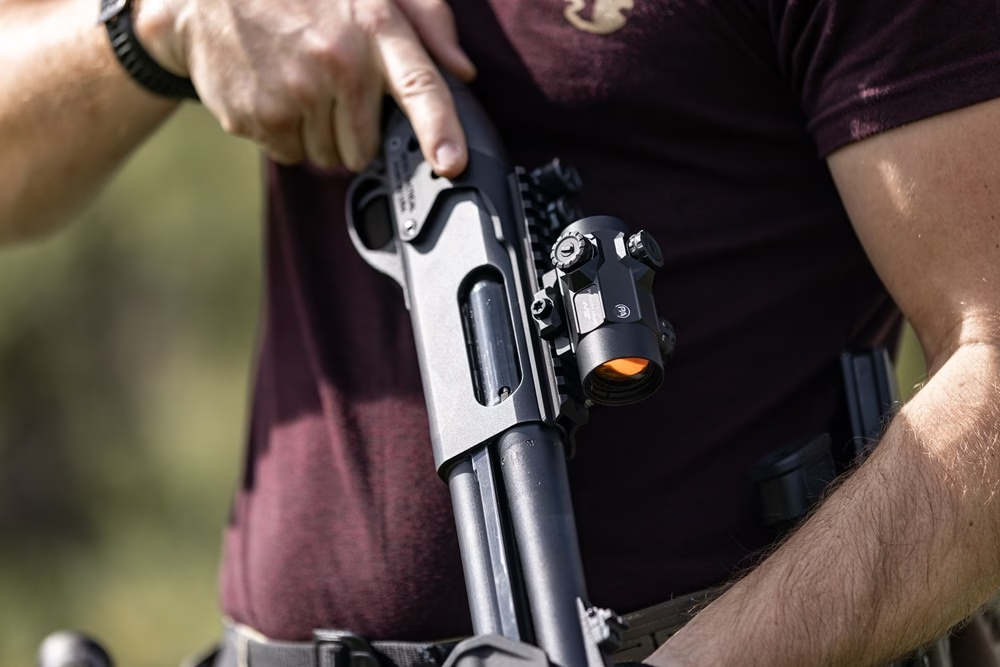
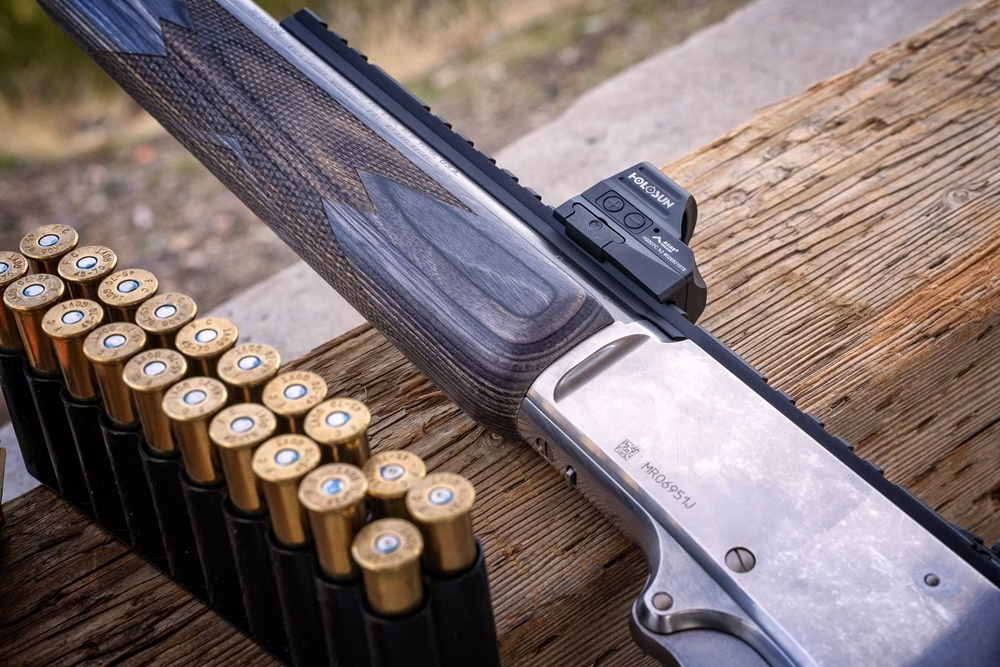
The receiver is usually the strongest and most stable place to mount a shotgun optic. Many tactical and defensive shotguns include a Picatinny rail or tapped receiver holes. Therefore, a receiver-mounted red dot is often the cleanest option.
Receiver mounting keeps the optic closer to the center of the shotgun. In addition, it usually gives better balance than mounting weight farther forward. This can help the shotgun feel more natural when moving between targets.
Another benefit is flexibility. A receiver rail can support many red dot styles, including compact enclosed optics, open-emitter reflex sights, and some full-size tube-style red dots.
Vent Rib Mounting
If your shotgun does not have a receiver rail, a vent rib mount may be an option. Many field and sporting shotguns have a vent rib running along the barrel. Special mounts can clamp onto this rib and provide a small optic platform.
This setup can work well, especially for lightweight mini reflex sights. However, it places the optic farther forward. Because of this, users should be careful with optic weight and mount quality.
For hunting or clay-style shotguns, vent rib mounting may be useful. Still, for defensive or tactical shotguns, receiver mounting is usually more durable and balanced.
What Is A Red Dot Sight?
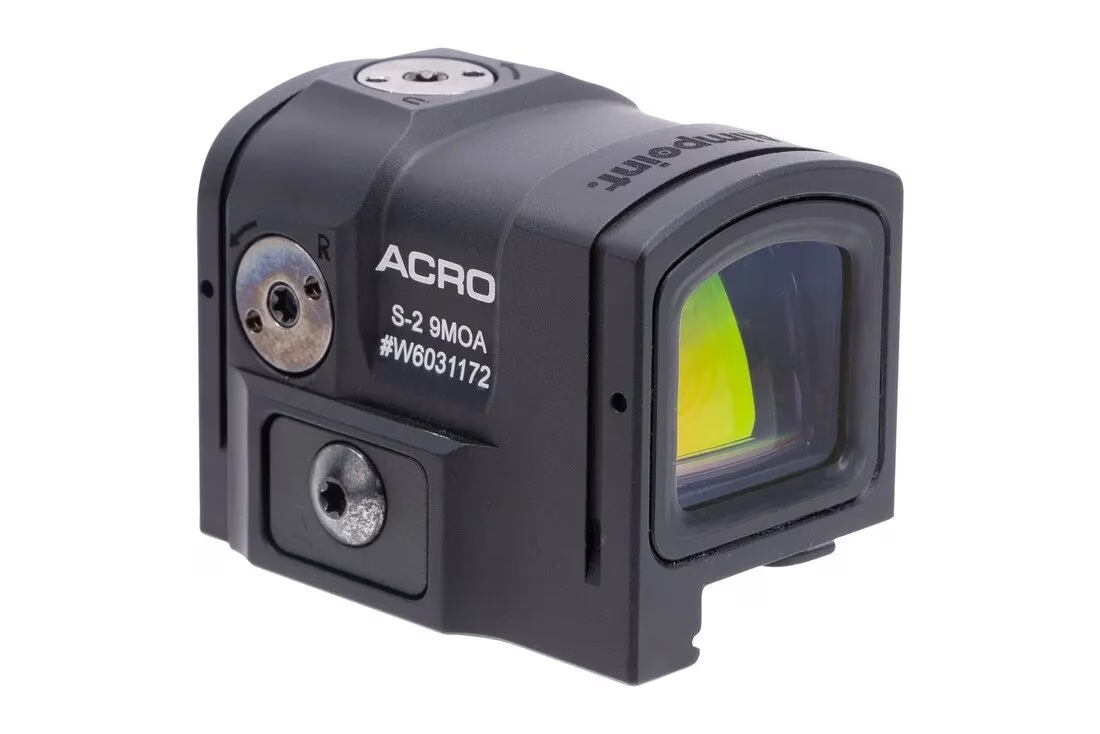
A red dot sight is a non-magnified optic that projects an illuminated aiming point. Although people often call many reflex optics “red dots,” the dot color may vary. Some models use red, green, gold, or other reticle colors.
For shotguns, red dots can help users find the aiming point faster. Instead of aligning front and rear sights, the shooter can place the dot where they want the shot pattern or slug to land.
Red dots also offer generous eye relief. This makes them useful on shotguns because shotgun recoil and shooting positions can vary. As long as the dot is visible and the firearm is mounted properly, the sight picture is usually fast and simple.
Open Emitter Vs. Enclosed Red Dots
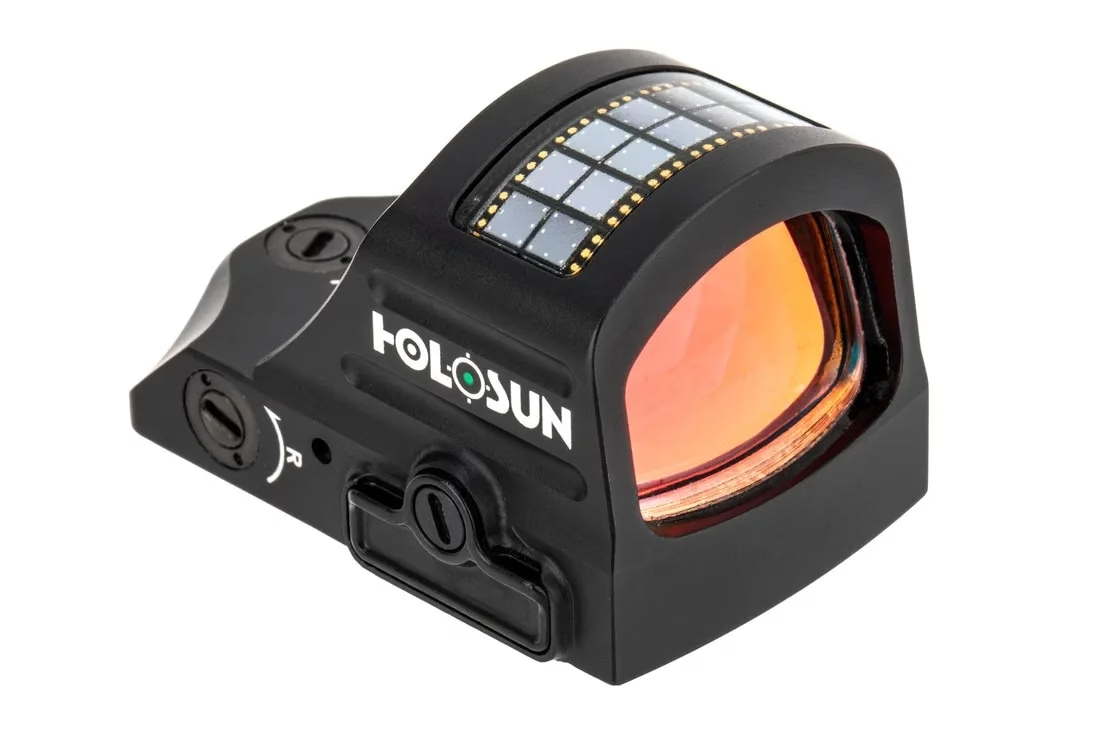
Open-emitter red dots are usually lighter and more compact. They are popular for vent rib mounts and lightweight shotgun builds. However, the emitter is more exposed to rain, dust, and debris.
Enclosed red dots protect the emitter inside a sealed body. They are often better for rugged use, bad weather, and defensive setups. However, they may weigh more than small open-emitter optics.
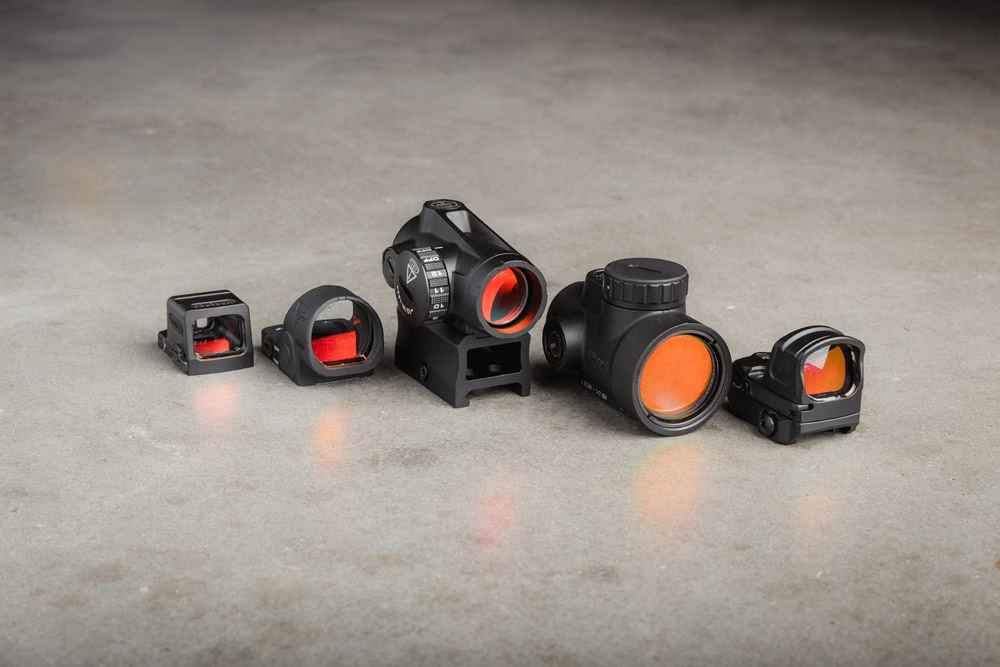
Best Red Dot Choices For Shotguns
The best red dot for a shotgun depends on purpose. A defensive shotgun may benefit from a rugged enclosed optic. Meanwhile, a hunting shotgun with a vent rib may work better with a lightweight mini reflex sight.
Before choosing, think about recoil rating, mounting footprint, battery access, brightness settings, lens size, weather resistance, and total weight. Most importantly, match the optic to the mount and shotgun platform.
Compact Mini Reflex Sights
Mini reflex sights are lightweight and easy to mount. They are a strong option when keeping the shotgun fast and balanced matters. In addition, they work well for vent rib setups where weight should stay low.

Tube-Style And Enclosed Red Dots
Tube-style and enclosed red dots can be excellent for receiver-mounted shotguns. They usually provide stronger protection and a more durable optic body. For users who train hard or use the shotgun outdoors, this can be a major advantage.
Although these optics may be heavier, they are often easier to keep clean and protected. Therefore, they make sense for hard-use shotguns and rough conditions.
Conclusion
Shotguns are versatile firearms, and a red dot sight can make them faster and easier to aim. For most tactical and defensive shotguns, receiver mounting is the best option because it is stable, balanced, and compatible with many optics.
For hunting and sporting shotguns with a vent rib, a lightweight mini reflex sight may be the better choice. Either way, choose a quality mount, confirm fitment, and zero the optic properly before relying on the setup.
Frequently Asked Questions (FAQ)
For most tactical and defensive shotguns, the best place is on the receiver. It is usually stronger, better balanced, and easier to pair with a Picatinny rail or optic mount.
Yes. A vent rib shotgun can use a special rib-mounted optic adapter. However, lightweight mini reflex sights are usually better for this setup because extra forward weight can affect handling.
Many quality red dots can handle 12-gauge recoil, but buyers should confirm the optic is rated for shotgun use and mount it with the correct hardware.
For receiver-mounted defensive shotguns, enclosed or rugged tube-style red dots are strong choices. For vent rib setups, a lightweight mini reflex sight is often better.