
Gear
TL;DR
A useful car emergency kit should cover the problems most drivers can realistically face: minor injuries, darkness, dead electronics, bad weather, unexpected delays, and situations where you may need to leave the vehicle safely.
- Start with first aid: Keep basic wound-care supplies and other essentials accessible rather than buried under luggage.
- Plan for darkness: Carry at least one dependable flashlight or headlamp and spare power.
- Prepare for weather: Keep suitable clothing, footwear, gloves, and eye protection for your local conditions.
- Keep it organized: A durable bag or modular pouch system prevents smaller emergency items from disappearing around the vehicle.
- Inspect it regularly: Batteries discharge, medical supplies expire, and seasonal needs change.
Unexpected situations on the road can range from a flat tire or dead battery to severe weather, an unplanned overnight delay, or a medical emergency. A well-organized vehicle kit gives you useful supplies close at hand when normal services are not immediately available.
Your kit does not need to contain every survival tool available. What matters is choosing practical items that match your vehicle, climate, travel habits, and the number of people you normally carry.
This Gunvexa guide walks through the major categories worth considering, from first aid and lighting to clothing, storage, binoculars, batteries, and other everyday preparedness gear.
Gunvexa Preparedness Note
Emergency gear works best when you know how to use it. Review your vehicle manual, take reputable first-aid training, follow local laws, and inspect the contents of your emergency kit on a regular schedule.

First Aid
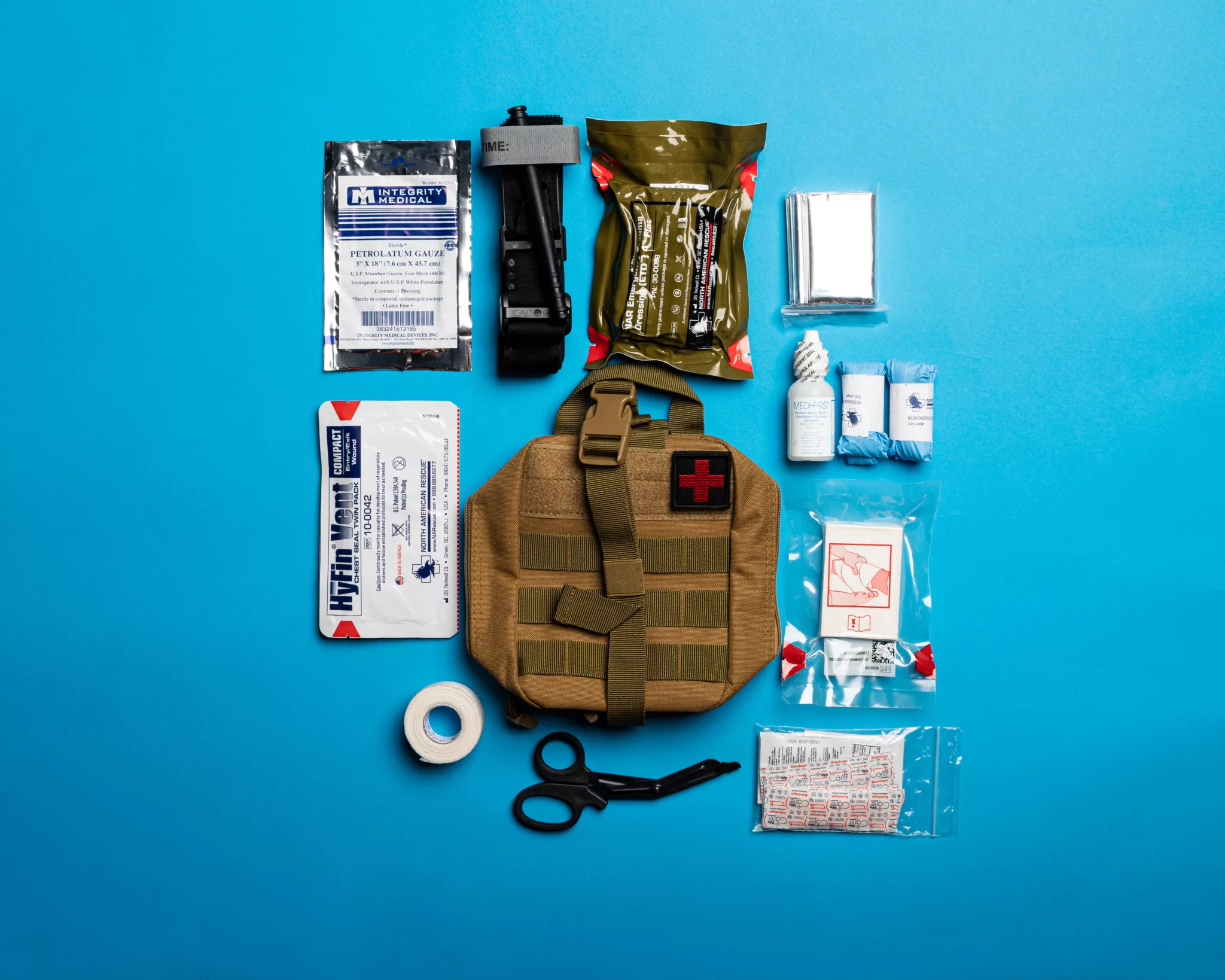
First-aid supplies are among the most useful items to keep in a vehicle. Minor cuts, scrapes, blisters, burns, and other everyday injuries can happen far from home, and a basic kit allows you to respond while arranging professional help when necessary.
A practical kit can include adhesive bandages, sterile gauze, medical tape, antiseptic wipes, disposable gloves, dressings, and basic personal medications appropriate for the people traveling with you.
More advanced trauma equipment should be accompanied by proper training. Simply owning medical equipment does not replace knowing when and how it should be used.
- Adhesive bandages in several useful sizes.
- Sterile gauze pads and rolled gauze.
- Medical tape and basic wound dressings.
- Disposable nitrile gloves.
- Antiseptic wipes or similar basic cleaning supplies.
- Emergency blanket and basic protective equipment.
- Written emergency contacts and relevant medical information where appropriate.
Practical Tip
Keep Medical Gear Easy to Reach
Store the kit where it can be reached quickly. A clearly marked pouch inside the passenger area or at the top of your emergency bag is more useful than medical supplies buried underneath everything else in the trunk.

Lights
If a breakdown happens at night, reliable lighting quickly becomes one of the most important pieces of equipment in the vehicle. A flashlight can help you inspect the car, locate tools, read instructions, or safely move around a dark roadside area.
A headlamp is also useful because it keeps both hands free. Many drivers keep one handheld light and one headlamp so there is some redundancy if one device fails or another passenger needs a light.
Consider adding a compact area light or emergency lantern as well. A broad flood pattern can be more useful than a narrow beam when working around the vehicle or sitting through a long delay.
What to Look for in a Light

Brightness is commonly described in lumens, but brightness alone does not tell the whole story. Beam shape, runtime, durability, water resistance, control layout, and battery type can matter just as much in an emergency.
A light intended for a vehicle kit should be simple enough to operate under stress. You should not need to cycle through many complicated modes just to get a useful beam.
Flood
A wider beam is useful when illuminating a work area, searching the inside of a vehicle, or lighting nearby ground.
Throw
A more concentrated beam can be helpful for seeing farther down a dark road or identifying objects at greater distance.
Batteries and Battery Chargers
Electronic equipment is only useful while it has power. Flashlights, radios, phones, GPS units, and other devices can all become useless if their batteries are depleted.
Where practical, choose emergency electronics that share common battery types. Standardizing your power system means fewer different battery sizes to carry and fewer chargers to keep track of.
Rechargeable batteries can be useful for equipment that is checked frequently, while quality disposable cells may make sense as sealed backups. Whichever option you choose, inspect the batteries regularly for leakage, swelling, corrosion, or low charge.
Portable Power
A charged USB power bank adds flexibility because it can support phones and many modern rechargeable electronics. Keep the correct charging cables in the same pouch rather than assuming one will be available when needed.
Battery Strategy
Standardize Where Possible
Using several devices that share the same charging cable or battery format can reduce the amount of backup power equipment you need to carry.
Knives: Fixed and Folding
A general-purpose utility knife can be useful for ordinary tasks such as cutting cord, opening packaging, trimming tape, preparing materials, or handling other simple jobs around camp or a stranded vehicle.
Fixed-blade and folding designs each have practical advantages. Fixed blades have fewer moving parts, while folding knives are generally easier to store compactly.
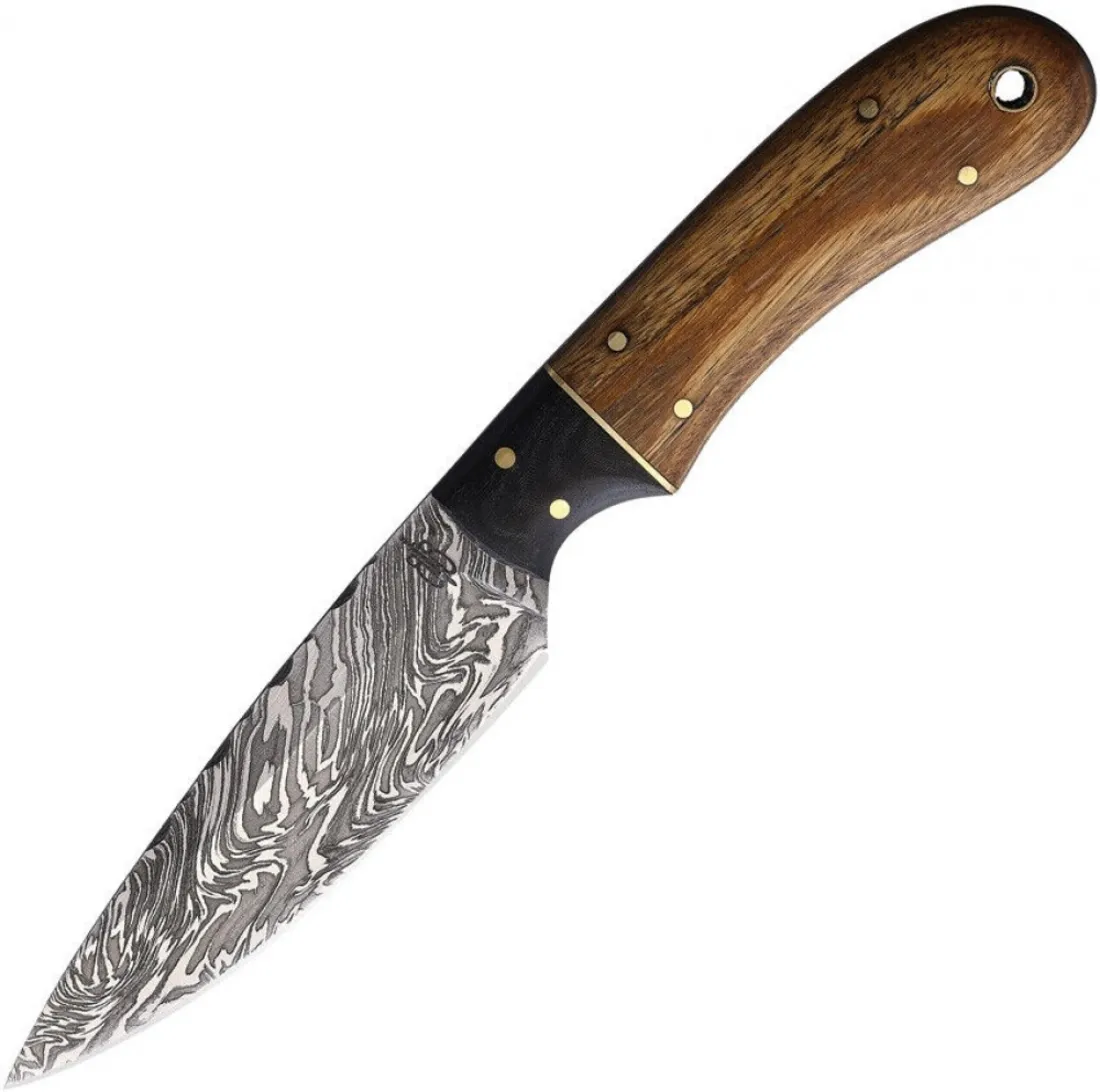
Fixed-Blade Utility Knives
A fixed design has no folding joint and is generally simple to clean. If one is included in a vehicle kit, it should be stored securely in an appropriate sheath so the blade cannot move around loose with other gear.
Folding Utility Knives
Folding designs take up less room and can fit into a small tool pouch. Check the pivot and locking mechanism periodically for dirt, corrosion, and damage.
Legal & Safety Note
Knife possession and transport rules can vary by jurisdiction. Use cutting tools only for lawful utility purposes, store them securely, and check applicable local regulations before carrying them.

Clothing: Headwear, Outerwear, Footwear, and Other Gear
Clothing is easy to overlook because most travel takes place inside a climate-controlled vehicle. The problem begins when you unexpectedly need to spend time outside.
A simple change of clothing can make a long delay much more manageable. Consider the climate you travel through and update your kit as the seasons change.
Clothes
Pack lightweight clothing that can be layered. A spare shirt, socks, gloves, and other basics take relatively little room and can make a significant difference if your regular clothing becomes wet, dirty, or damaged.
Headwear
A hat can provide shade in hot weather and help retain warmth in cold conditions. For winter travel, a warm cap that covers the ears may be more useful than an ordinary baseball cap.
Outerwear
A packable rain shell or insulated layer can protect you from changing weather without consuming much trunk space. Choose outerwear that matches the lowest temperatures you realistically encounter.
Footwear
Good footwear is especially important if you may need to walk away from a disabled vehicle. Durable shoes or boots with useful tread can be safer and more comfortable than sandals, dress shoes, or worn-out everyday footwear.
Eyewear

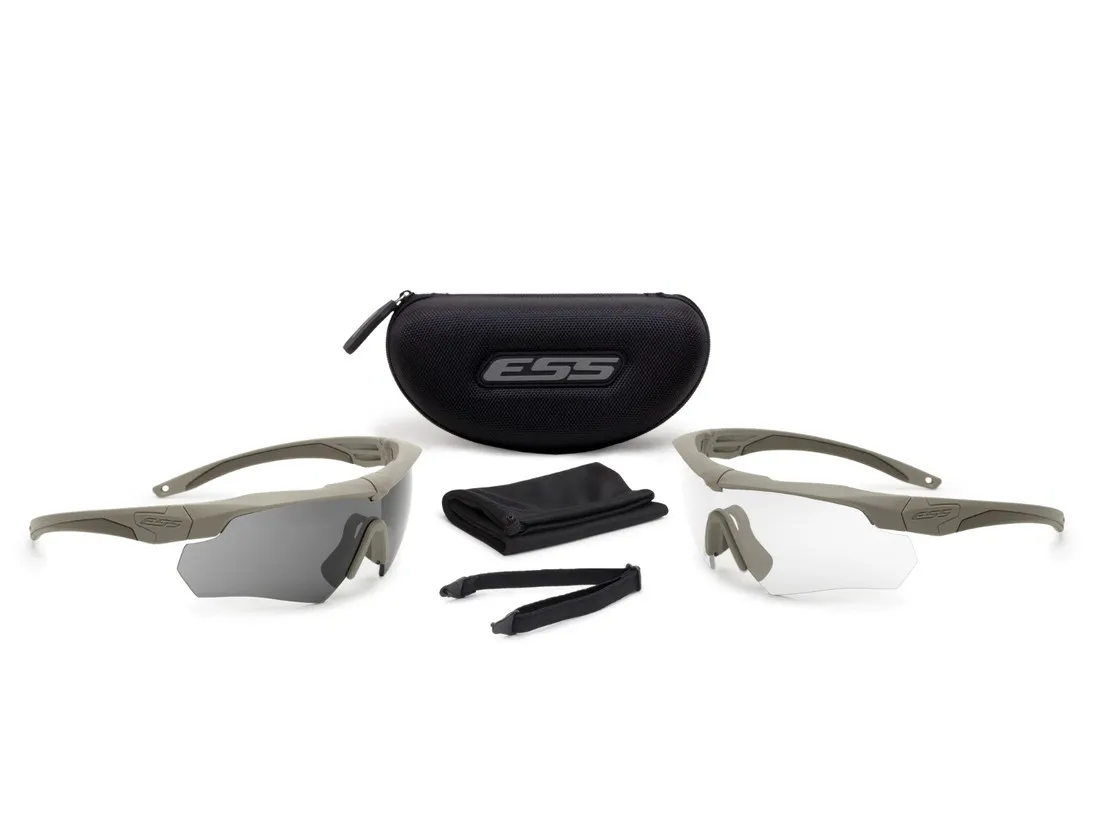
Protective eyewear can help shield your eyes from dust, debris, wind, broken material, and other hazards encountered while working around a vehicle.
Sunglasses are also worth including for daylight travel, especially when glare or bright conditions could make driving or walking more difficult.
| Item | Why Keep It | Useful Consideration |
|---|---|---|
| Jacket / Shell | Wind and weather protection | Choose for your local climate |
| Gloves | Warmth and basic hand protection | Keep one warm pair and work gloves if needed |
| Spare Socks | Useful after rain, snow, or long walks | Seal in a dry bag |
| Footwear | More reliable walking support | Prioritize comfort and traction |
| Eyewear | Eye protection from debris and weather | Keep lenses clean and protected |
Binoculars
Binoculars are not mandatory for every vehicle kit, but a compact pair can be useful when traveling in remote areas. They allow you to inspect distant road conditions, landmarks, terrain, signs, smoke, or other features without walking toward them first.
Compact binoculars are generally easier to store than large field models. For an emergency kit, durability and weather resistance can matter more than extremely high magnification.
What to Look for in Binoculars
- Compact size that fits your storage plan.
- Comfortable focusing controls.
- Useful field of view.
- Weather-resistant construction.
- Protective case or lens covers.
Bags and Backpacks
Emergency supplies need a dedicated storage system. Without one, small tools and medical items can become scattered throughout the glove box, trunk, door pockets, and other compartments.
A backpack makes sense if you want the option of carrying your emergency supplies away from the vehicle. A structured tool or range-style bag may work better if most of the gear will stay in the car.
What to Look for in a Backpack
Look for durable materials, reliable zippers, useful internal organization, comfortable straps, and enough room for your essentials without encouraging you to overpack.
A very large pack can hold more supplies, but it can also become unnecessarily heavy. Build around the items you actually need instead of choosing the largest bag available.

Additional Storage
Larger backpacks often include several pockets, sleeves, organizers, or external attachment points. These can be useful for separating medical supplies, electronics, clothing, tools, and food rather than keeping everything in one large compartment.
Smaller labeled pouches can make the system even easier to use. For example, you might keep a medical pouch, power pouch, hygiene pouch, and document pouch inside one larger emergency bag.
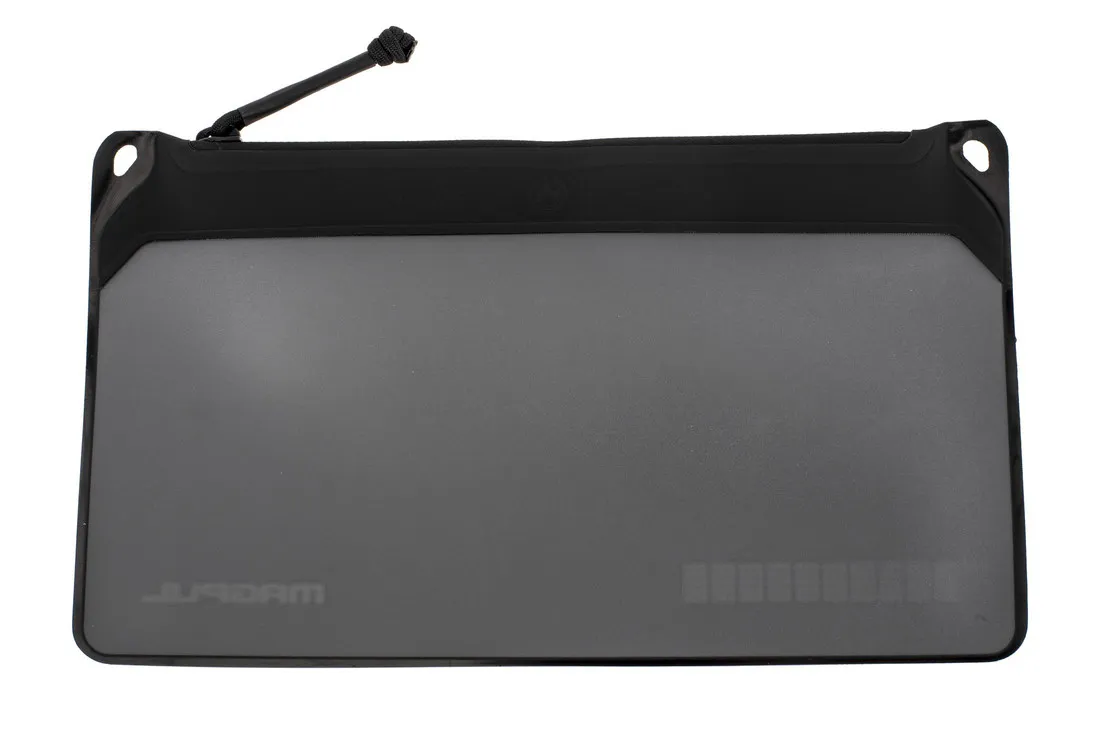
Magpul DAKA Pouch
A weather-resistant utility pouch can be useful for keeping small electronics, charging cables, documentation, matches, maps, or other items grouped together inside the larger emergency bag.
The biggest advantage of modular pouches is organization. Instead of searching through every piece of gear, you can reach for the pouch that contains the category of item you need.
Organization Tip
Build Small Kits Inside the Main Kit
Grouping supplies by purpose can make a large car emergency kit faster to use. Medical, lighting, power, clothing, documents, and hygiene items can each have their own clearly marked pouch.
Car Emergency Kit Quick Checklist
| Category | Examples | Check Regularly? |
|---|---|---|
| First Aid | Bandages, gauze, gloves, dressings | Yes — check expiration dates |
| Lighting | Flashlight, headlamp, lantern | Yes — test function |
| Power | Spare batteries, power bank, cables | Yes — recharge periodically |
| Clothing | Jacket, gloves, socks, footwear | Seasonally |
| Tools | General utility tools appropriate to your trip | Inspect for damage or corrosion |
| Storage | Backpack, organizers, weather-resistant pouches | Reorganize after use |
Conclusion
The best car emergency kit is not necessarily the largest one. It is the kit that contains practical supplies you understand, can reach quickly, and regularly inspect.
Start with first aid, lighting, power, weather protection, footwear, and organized storage. Add specialty equipment only when it makes sense for your climate, route, vehicle, and typical travel.
Once your kit is assembled, schedule regular checks. Replace expired supplies, recharge power banks, inspect batteries, update seasonal clothing, and return every item to its assigned location after use.
Gunvexa Bottom Line
Preparation Is About Useful Gear, Not Just More Gear
Focus on a compact, organized emergency system that covers realistic roadside problems and can be maintained throughout the year.
Frequently Asked Questions (FAQ)
What should every car emergency kit contain?
A practical starting point includes first-aid supplies, dependable lighting, spare power, weather-appropriate clothing, basic vehicle necessities, water where appropriate, and an organized bag or storage system.
How often should I check my car emergency kit?
A seasonal inspection is a useful minimum. Check batteries, power banks, medical expiration dates, clothing, food or water if stored, and any items that may have been used.
Should I keep a flashlight in my car?
Yes. A dependable flashlight or headlamp is useful for nighttime breakdowns, locating equipment, reading instructions, or safely inspecting the area around the vehicle.
Is a first-aid kit necessary for a vehicle?
A basic first-aid kit is a useful addition to almost any vehicle because minor injuries can happen during ordinary travel, roadside repairs, outdoor activities, or emergencies.
Is a backpack better than a storage box?
It depends on your needs. A backpack is easier to carry away from the vehicle, while a structured box or bag can provide better organization for equipment that normally remains in the car.
Should emergency batteries stay in the car?
Batteries can be affected by temperature and long-term storage. Follow the battery manufacturer's storage guidance and inspect stored cells regularly for damage, corrosion, swelling, leakage, or loss of charge.
What clothing should I keep in my vehicle?
Choose clothing for your local climate. Useful examples include a weather-resistant layer, gloves, spare socks, suitable walking footwear, and seasonal headwear.