
Firearms
Rifle performance is shaped by many interrelated variables, but few exert as much influence as barrel length. Whether the goal is defensive readiness, tactical capability, or ethical harvest in the field, understanding how barrel length shapes velocity and terminal effect is essential for informed decision-making.
Barrel length determines how efficiently a cartridge burns its propellant, how fast the bullet accelerates, and how consistently the projectile behaves downrange. These details ultimately affect handling, reach, recoil behavior, and real-world performance.
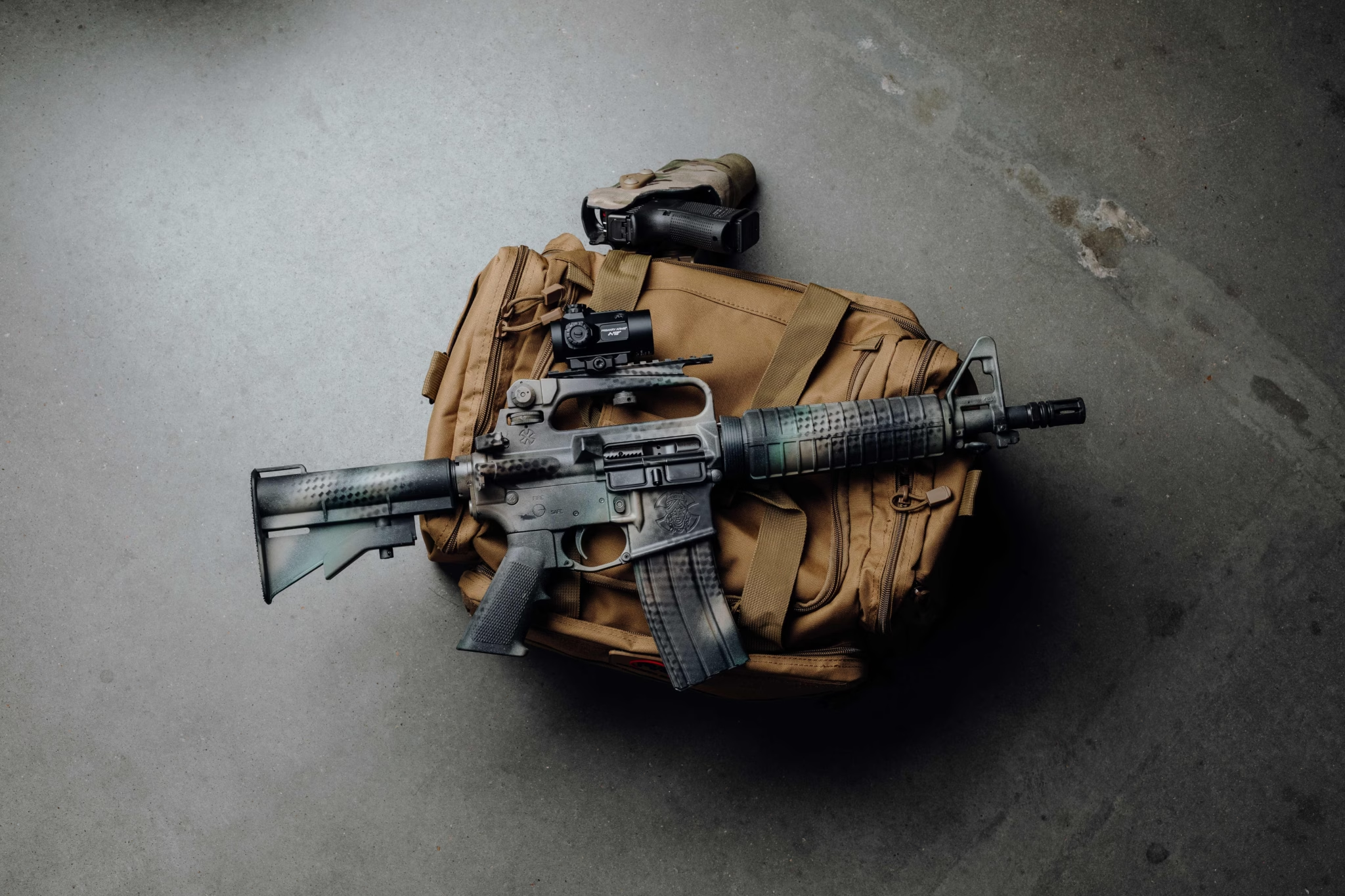
Why Barrel Length Matters
Barrel length is more than an aesthetic or ergonomic choice. It sits at the center of a rifle’s ballistic identity. When a cartridge ignites, propellant gases expand rapidly and push the bullet forward. A longer barrel gives those gases more time to accelerate the projectile, generally producing higher muzzle velocity.
Beyond ballistic considerations, barrel length also shapes handling. A shorter rifle is easier to maneuver in confined spaces and quicker to bring on target. A longer rifle can provide more stability, better sight radius for iron sights, and improved velocity. Every rifle represents a balance between these traits.
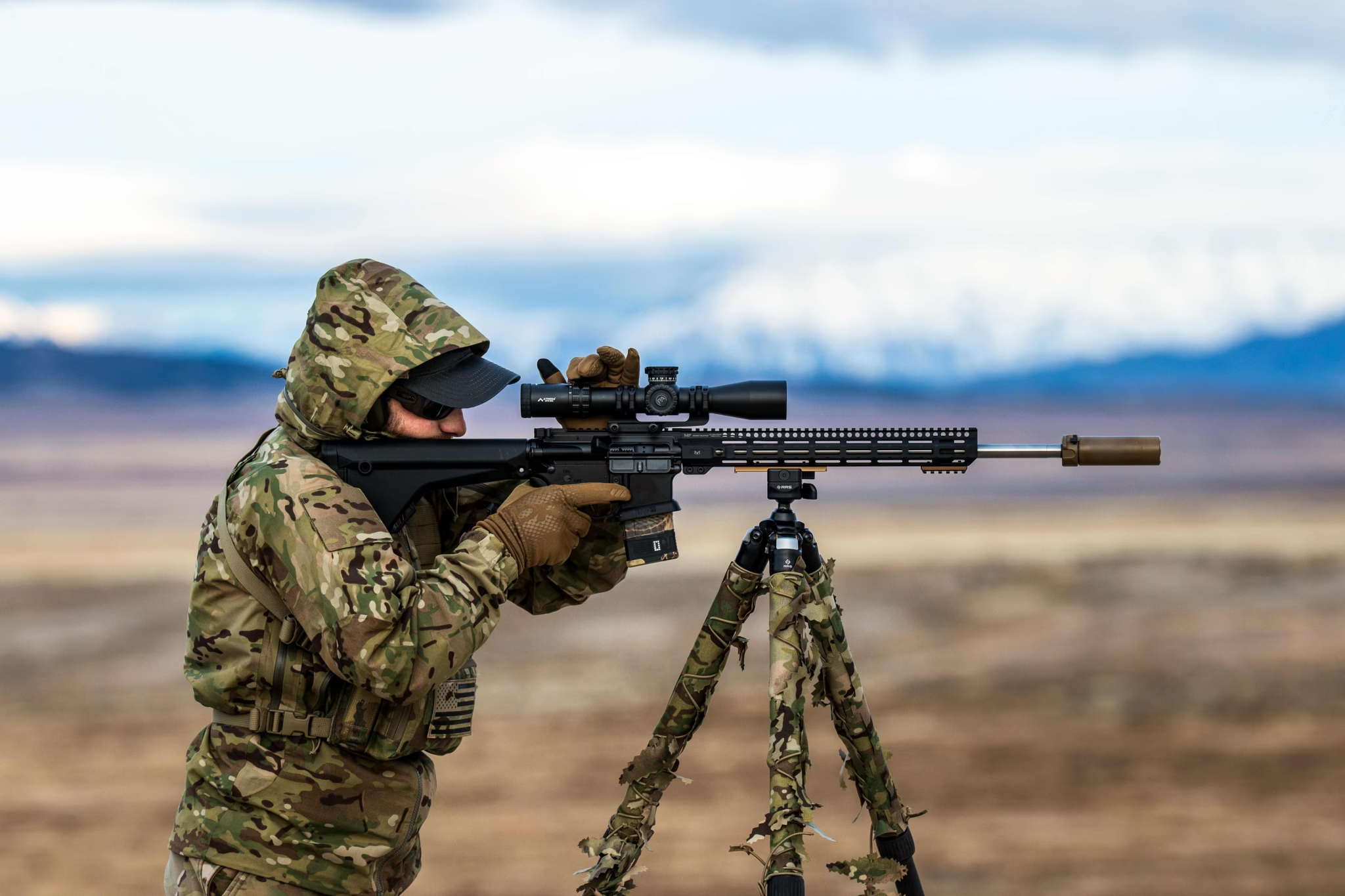
The Science Of Barrel Length And Velocity
The relationship between barrel length and velocity begins in the chamber. Upon ignition, rapidly expanding gases exert pressure on the base of the bullet. This pressure accelerates the projectile until it leaves the muzzle.
In general terms, a cartridge gains velocity from increased barrel length until it reaches a point of diminishing returns. Once usable propellant energy has been transferred to the bullet, additional length offers less benefit and can even introduce drag. Conversely, when the barrel is too short, propellant may fail to reach optimal burn efficiency.
Velocity directly shapes external ballistics. A faster projectile experiences less drop over distance, reduced wind drift, and a flatter trajectory. The benefits continue into terminal performance because higher impact velocity can help expanding or fragmenting projectiles operate within their intended design thresholds.
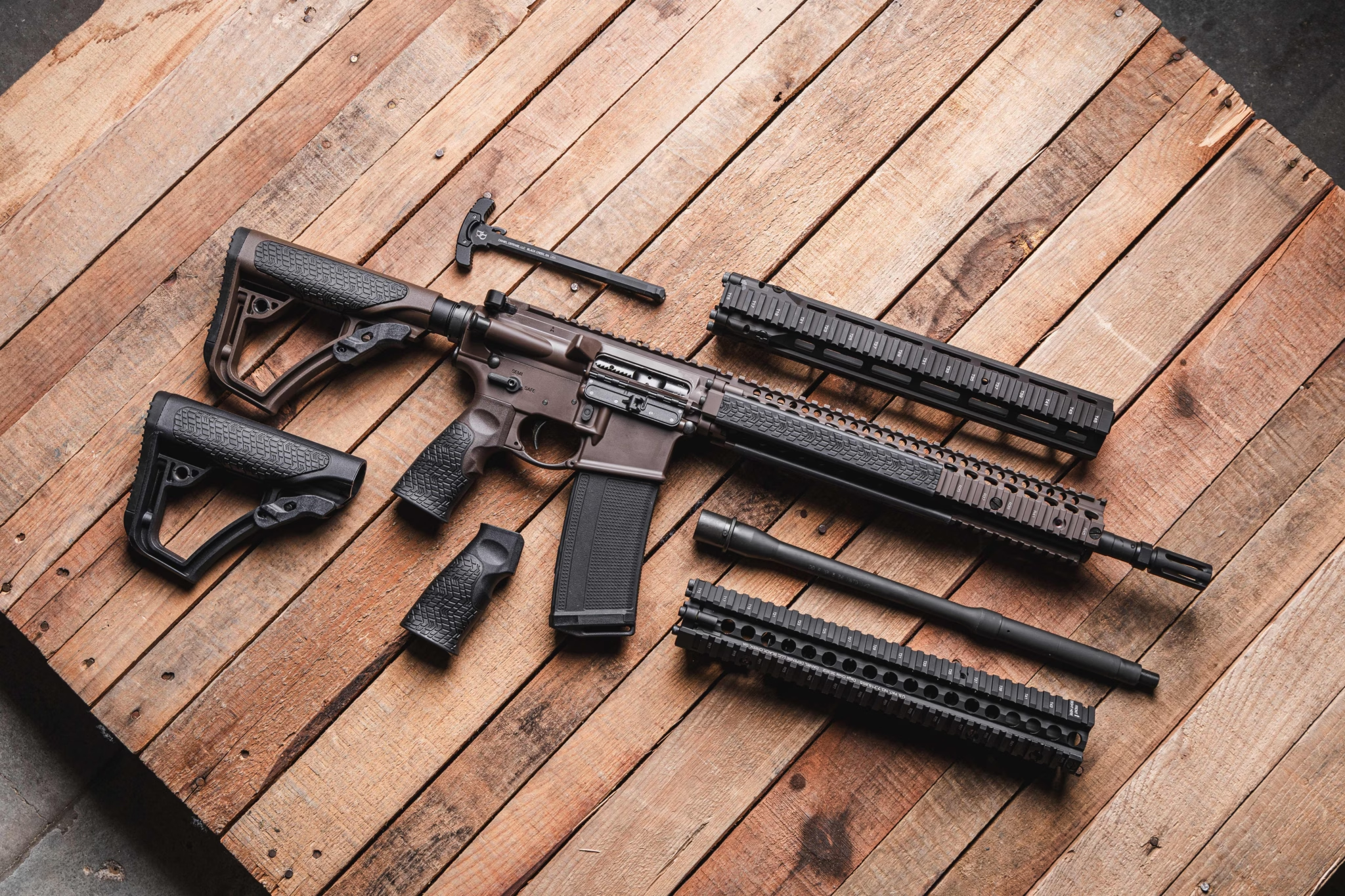
Common AR-15 Barrel Lengths And Their Performance Profiles
The relationship between barrel length and velocity is direct but not perfectly linear. Short barrels lose velocity rapidly because they provide less dwell time for the propellant to accelerate the bullet efficiently. Long barrels continue to provide velocity gains, but those gains become smaller beyond a certain point.
10.5” Barrels
A 10.5-inch barrel represents the lower edge of practical performance for many 5.56 rifles. While compact and agile, it gives up meaningful velocity compared to longer barrels. This makes it better suited for close-range applications where maneuverability is the priority.
11.5” Barrels
The 11.5-inch configuration offers a useful balance between compact handling and improved ballistic consistency. It adds only modest length compared to a 10.5-inch barrel while improving reliability, pressure behavior, and velocity.
14.5” Barrels
A 14.5-inch barrel is often chosen by users who want a compact rifle that still maintains solid velocity and smoother gas operation. With the right muzzle device configuration, it can offer a practical middle ground between short-barrel handling and standard rifle performance.
16” Barrels
A 16-inch barrel is one of the most common civilian AR-15 configurations. It provides dependable velocity, simple legal classification in many markets, smoother operation, and strong general-purpose performance.
20” Barrels
The 20-inch barrel is the traditional full-length rifle configuration for 5.56 NATO. It is built for maximizing velocity, flatter trajectories, better wind performance, and stronger retained energy at distance.
Short-Barreled Rifles
Short-barreled rifles are valued for compact handling, faster movement in tight spaces, and easier use with suppressors or other muzzle-mounted accessories. However, shorter barrels can reduce velocity, increase blast, and change the rifle’s operating behavior.
Because laws and requirements can vary, always confirm current compliance rules before buying, building, or using a regulated short-barreled rifle configuration.
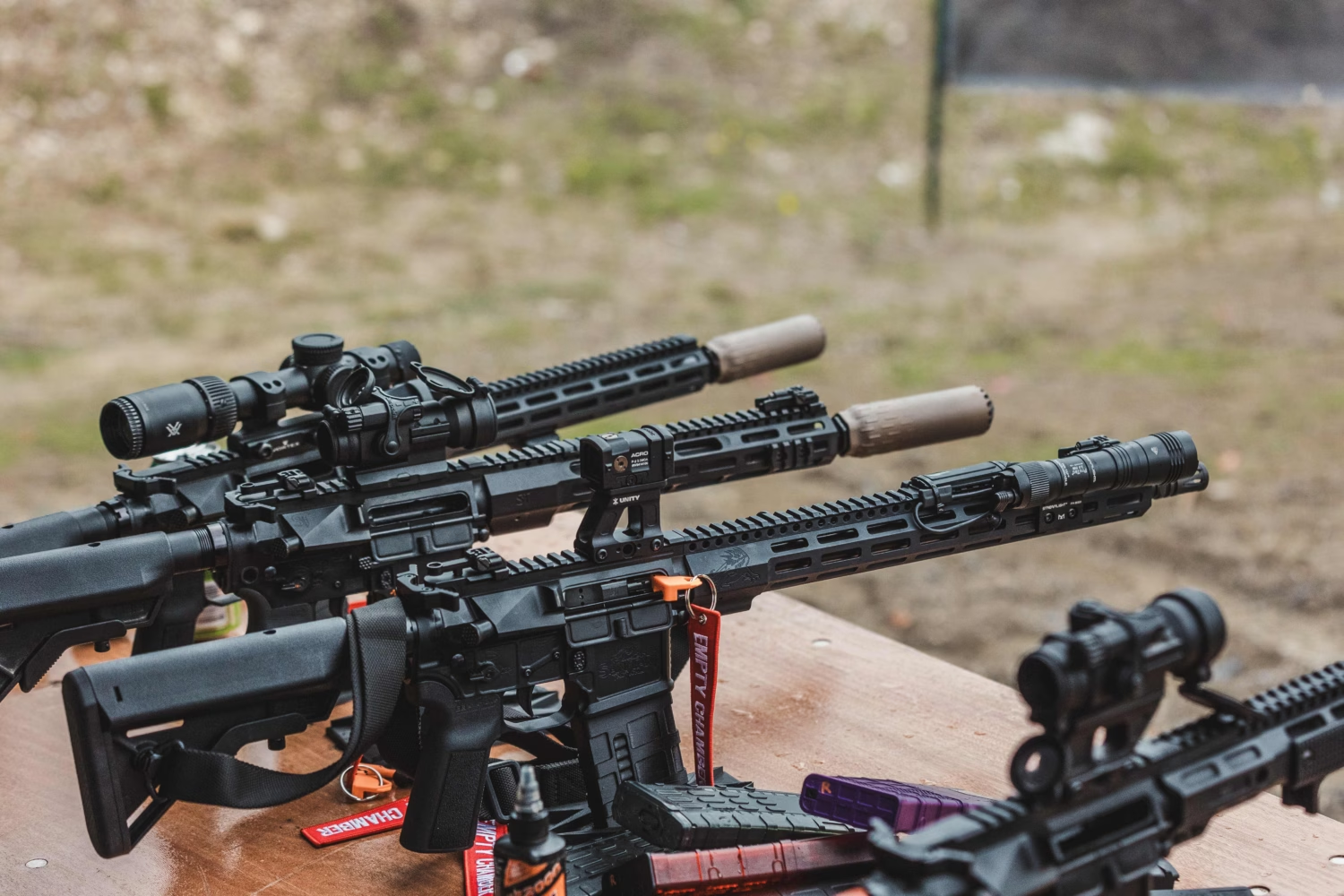
Choosing The Right Barrel For Your Role
The optimal barrel length is not universal. It depends on your intended role, preferred caliber, local requirements, optic setup, suppressor use, and the distance where the rifle will most often be used.
Home Defense
For close-range defensive use, compact handling often matters more than maximum velocity. Shorter barrels can be easier to maneuver, especially indoors or around tight corners. Still, reliability, safe storage, training, and legal compliance remain essential.
Duty And General Use
For a balanced rifle, 14.5-inch and 16-inch barrels offer excellent versatility. They provide better velocity than very short barrels while remaining easier to handle than full-length rifle setups.
Precision
For users who prioritize distance, consistency, and reduced wind drift, longer barrels can offer a meaningful advantage. A 20-inch barrel can help maximize the performance envelope of the cartridge when stability and velocity are more important than compact size.
Conclusion
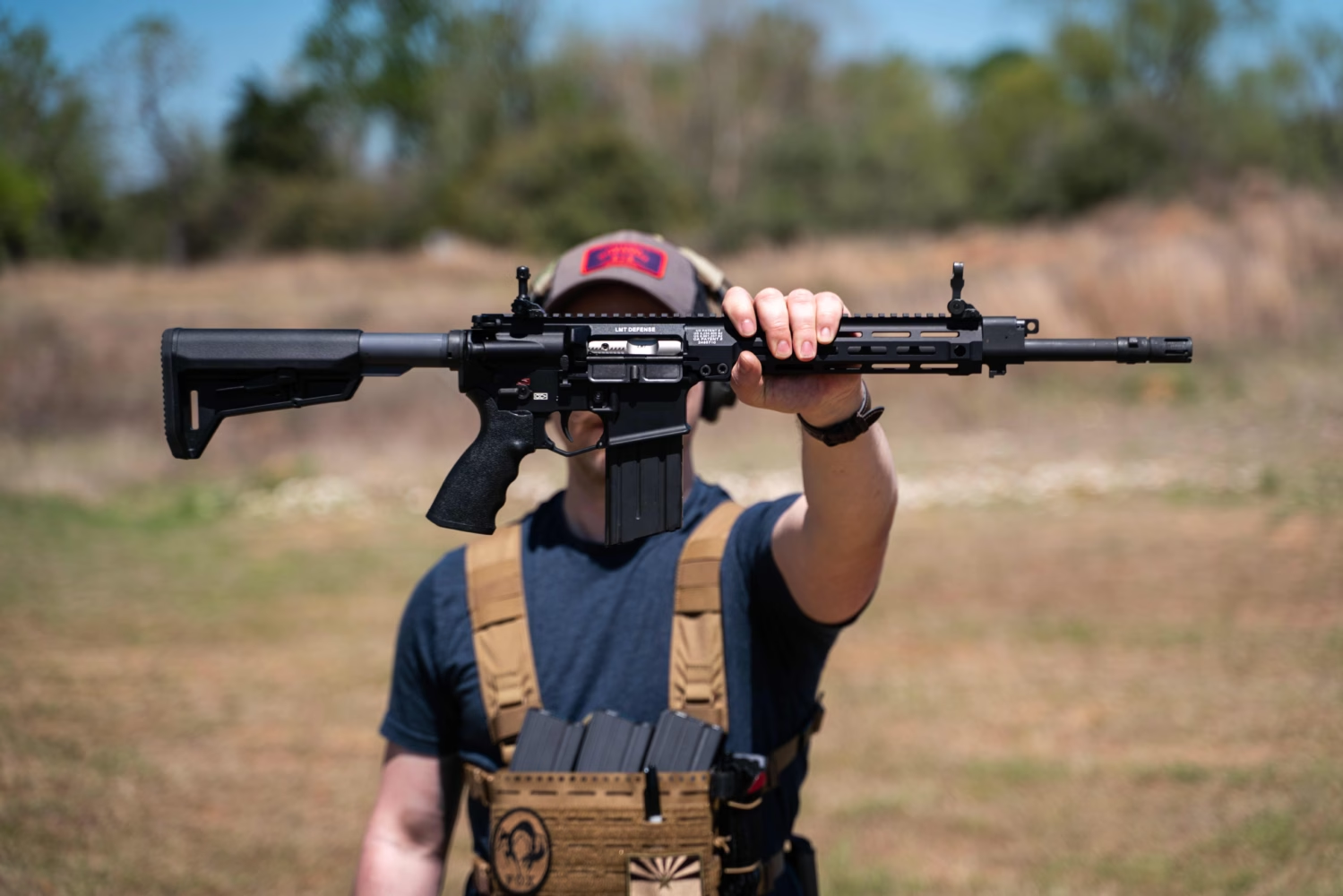
Barrel length plays a decisive role in shaping ballistic performance, handling characteristics, and practical application. Longer barrels usually provide increased velocity and stronger downrange consistency, while shorter barrels deliver compact maneuverability and faster handling.
Whether choosing a compact configuration for home defense, a balanced barrel for general use, or a full-length rifle for extended-range precision, the key is matching the barrel to the mission. When chosen intentionally, barrel length becomes a major part of reliable, predictable, and effective real-world performance.