
Optics
Both functionally and aesthetically, no rifle build is truly complete without an optic. However, mounting a scope is only the beginning. Before heading into the field, your optic must be properly zeroed to ensure your point of impact aligns with your reticle.
This Gunvexa guide explains how to zero your rifle scope, covering rifle scope terminology, preparation, turret adjustments, zero distances, shot grouping, and practical tips for achieving consistent accuracy.
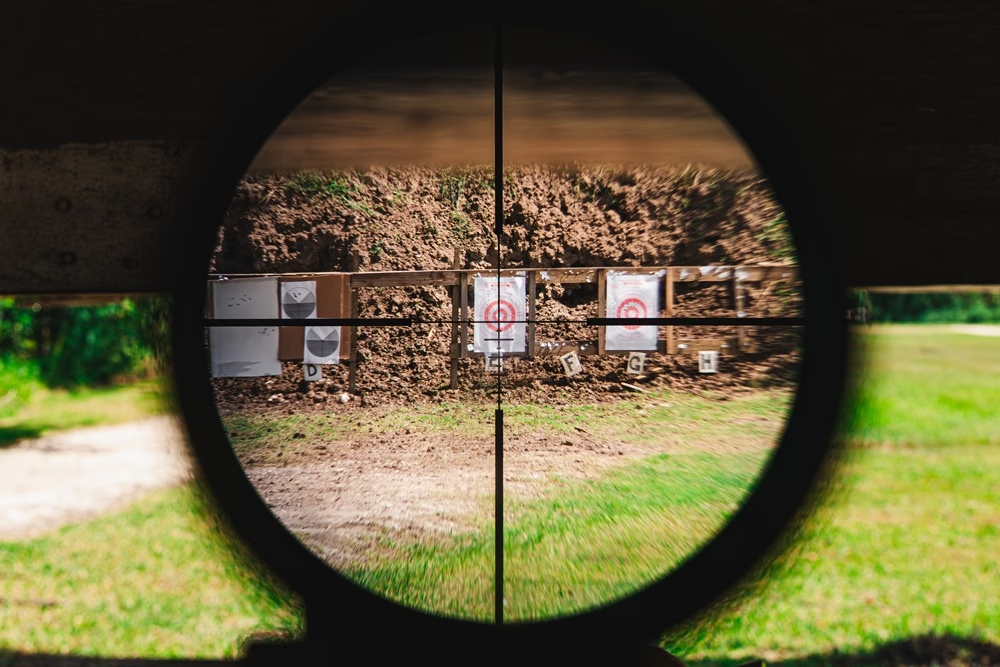
Understanding The Basics: What Does “Zero” Mean?
Your optic’s zero is the exact distance where your reticle and point of impact align. Without a proper zero, your shots may land unpredictably, especially at longer ranges. Establishing a precise zero creates a dependable baseline for your rifle setup.
Bullet flight paths are not perfectly straight. Instead, projectiles travel in an arc. Because of this, a rifle zeroed at one distance can impact differently at another distance. Understanding this relationship is critical for making accurate holds and adjustments.
Once you understand how your rifle and optic interact, the zeroing process becomes far less intimidating. With patience and proper technique, most shooters can complete a reliable zero in a single range session.
Scope And Zeroing Terminology
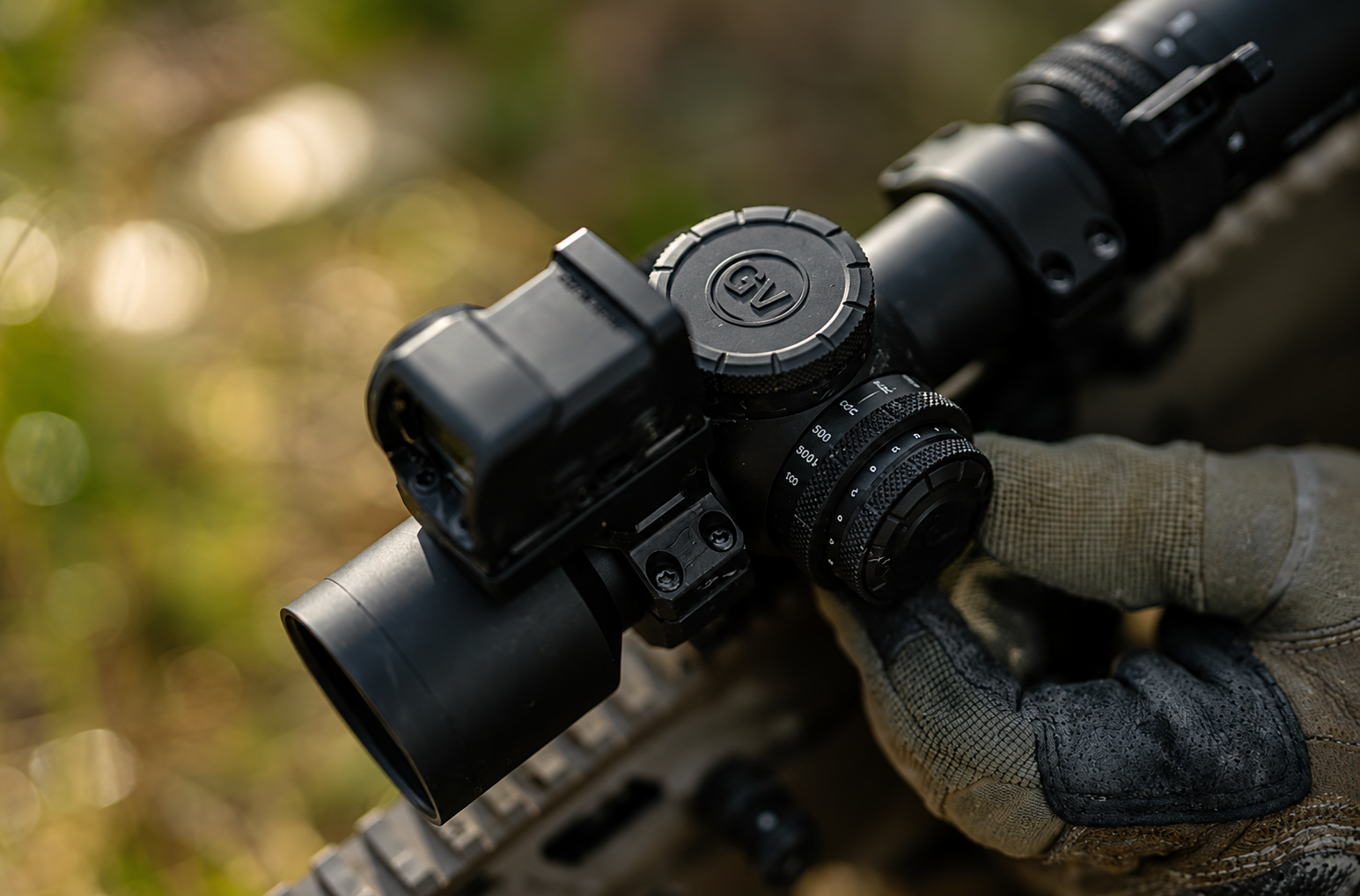
Turrets
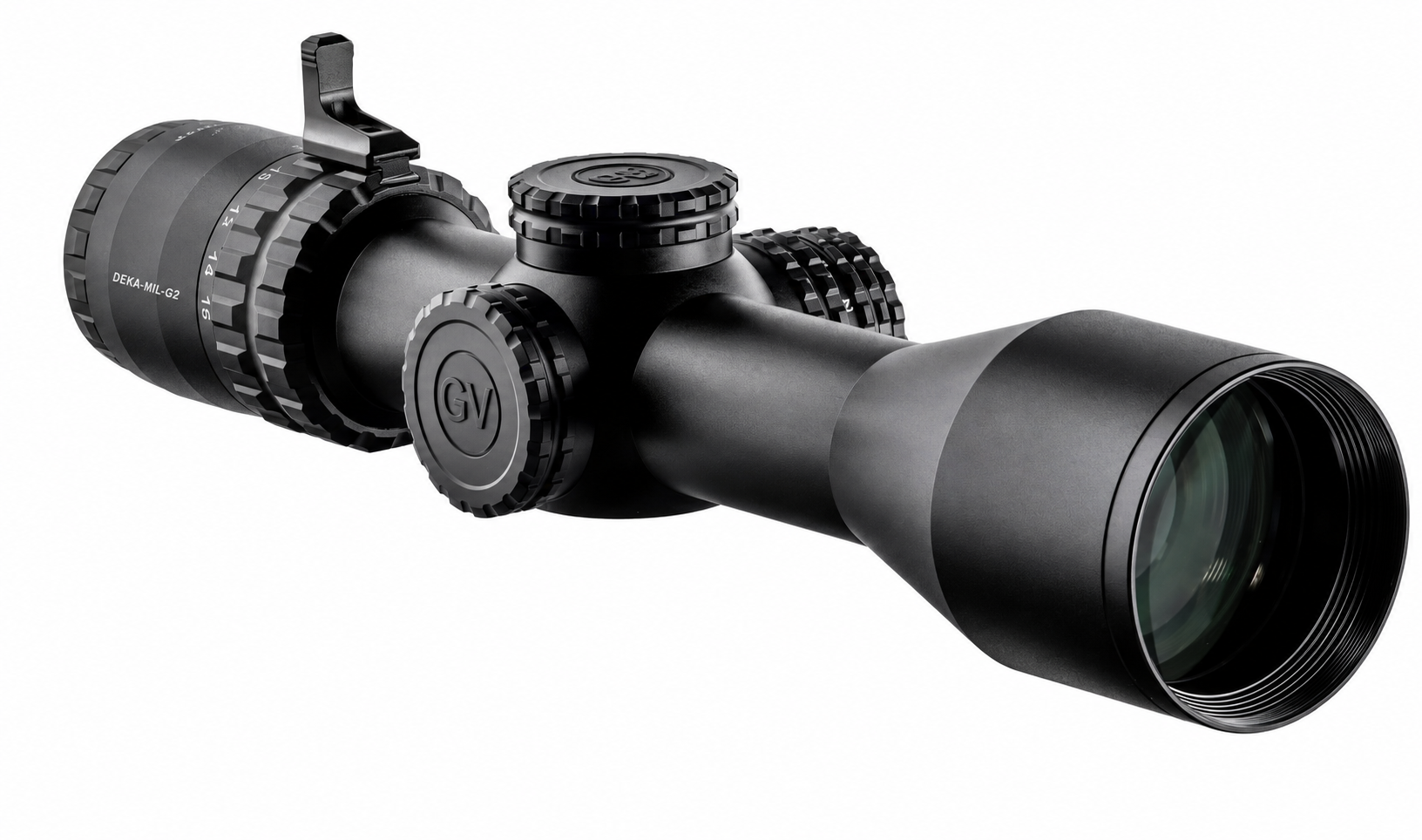
Turrets are the adjustment knobs located on the top and side of the optic body. The upper turret controls elevation while the side turret controls windage. Every click moves the reticle by a measured amount to help shift your point of impact.
MOA And MIL/MRAD
MOA, or Minute of Angle, is one of the most common measurement systems used for scope adjustments. At 100 yards, 1 MOA roughly equals 1 inch of movement. Meanwhile, MIL or MRAD systems use metric-based angular measurements and are also widely used for precision optics.
Both systems are effective, and the best option depends on your preference and shooting style. The most important factor is understanding how your optic’s adjustment system works before attempting to zero the rifle.
Preparation And Gear
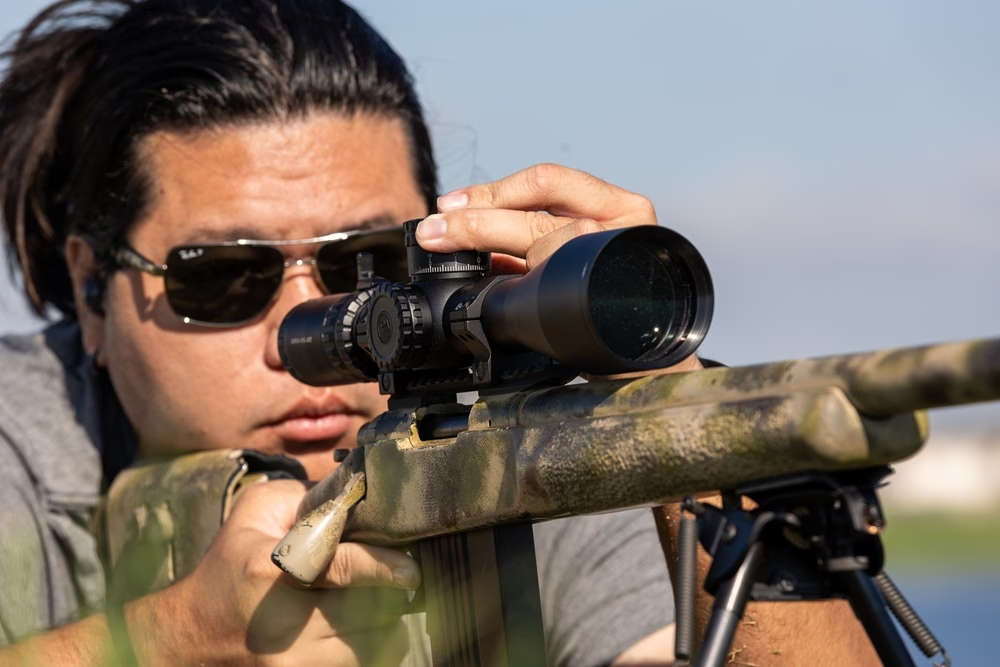
Zeroing your rifle scope begins with proper preparation. You’ll need a stable shooting platform, quality ammunition, hearing and eye protection, and a visible target with a clear aiming point.
Consistency matters during the zeroing process. Use the same ammunition type you plan to shoot regularly, because different bullet weights and loads can impact differently at the same distance.
Choosing A Zero Distance
Your preferred zero distance depends on your rifle setup and intended use. Many shooters use 100-yard zeros because they simplify holdovers and provide an easy baseline for most rifles and optics.
Some shooters prefer shorter-distance zeros such as 36-yard or 50-yard setups for rifles used at mixed engagement distances. The correct choice depends on your optic, cartridge, and goals.
Zeroing Your Rifle Scope
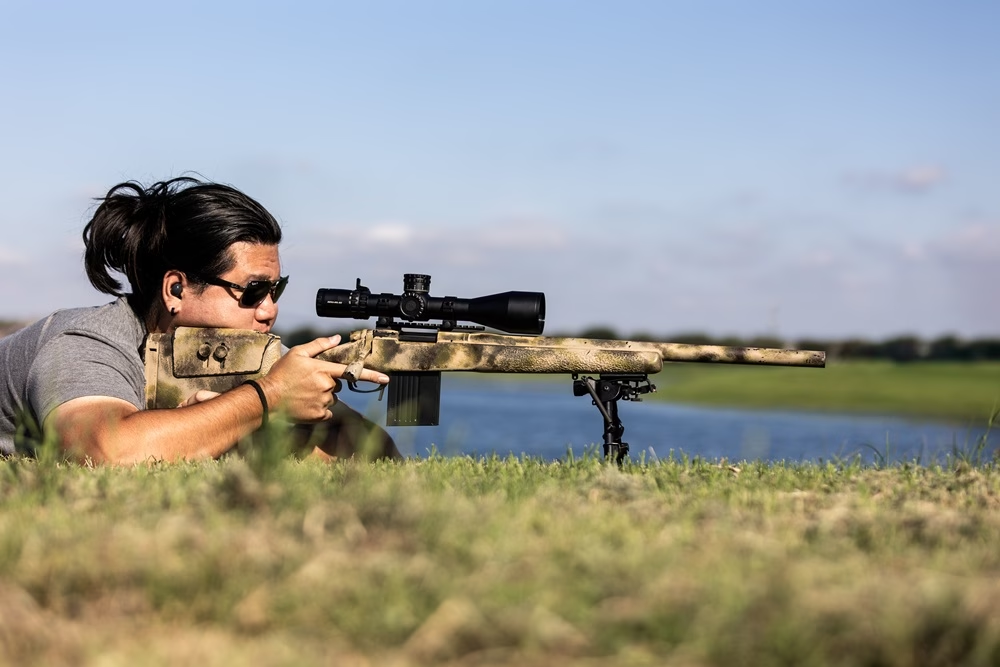
Getting Started
Start at a shorter distance such as 25 yards to establish an initial baseline. Fire a small group while aiming at the center of the target. Observe the grouping pattern before making any turret adjustments.
Adjust your reticle toward the grouping rather than moving the grouping toward the reticle. Continue firing small groups and refining your adjustments until your impacts align consistently with your intended point of aim.
After establishing a short-distance zero, move to your final zero distance and repeat the process carefully. Slow, consistent adjustments produce the most reliable results.
After Zeroing
Once your rifle scope is zeroed, confirm your setup by firing additional groups to ensure repeatability. Consistent results indicate that your rifle, optic, and ammunition are working together properly.
Some premium optics feature locking turrets, which help prevent accidental adjustments during transport or field use. If your optic does not include them, marking your turret position can provide a helpful visual reference.
Ammo Variances
Changing ammunition types can affect your zero because different loads produce different velocities and trajectories. Whenever switching ammunition, it’s important to reconfirm your zero before serious use.
Conclusion
Zeroing your rifle scope may seem technical at first, but the process becomes straightforward once you understand the fundamentals. Proper preparation, consistent shooting technique, and careful adjustments are the keys to achieving dependable accuracy.
Whether you’re setting up a hunting rifle, precision platform, or recreational range rifle, a properly zeroed optic helps maximize consistency and confidence behind the trigger.