Firearms
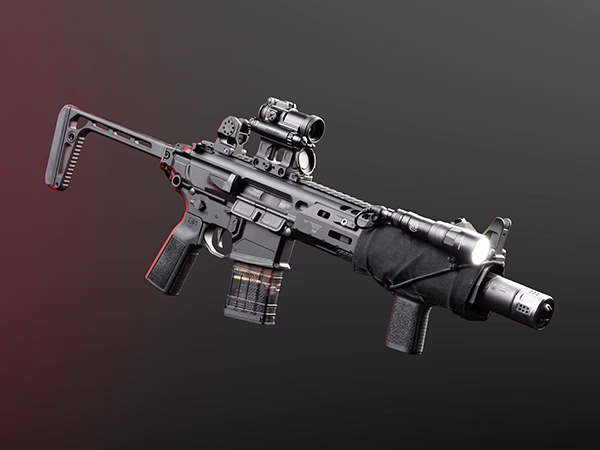
Few topics in the firearms world create as much discussion as the short-barreled rifle, also known as an SBR. For homeowners comparing defensive firearm options, the SBR stands out because it offers compact handling, rifle-style stability, and strong accessory support.
This Gunvexa guide explains what an SBR is, why some shooters consider it for home defense, what trade-offs matter, which barrel lengths are commonly discussed, and why legal requirements should always be reviewed before making a decision.
What Is An SBR?
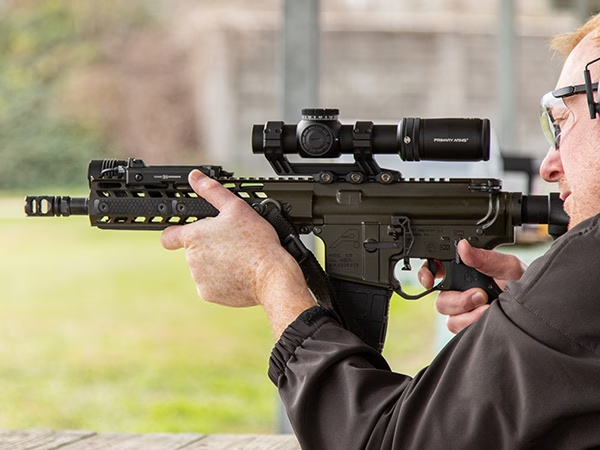
A short-barreled rifle is generally a rifle with a barrel shorter than sixteen inches or an overall length under twenty-six inches. Unlike standard rifles, SBRs are regulated under the National Firearms Act, which means ownership can involve federal paperwork, approval, and a tax stamp.
Mechanically, an SBR works like a standard rifle. The main difference is size. A shorter barrel can make the firearm easier to manage in tight spaces, but it can also increase sound, muzzle blast, and regulatory complexity. Those trade-offs are central to the home defense conversation.
Why SBRs Are Popular For Defense
SBRs are often discussed for defense because they offer rifle-style control in a compact package. A shorter platform may be easier to maneuver indoors compared with a full-length rifle, while still allowing the user to mount practical accessories such as optics and lights.
Another reason for their popularity is stability. A shoulder-fired platform can be easier to control than a handgun for some users. However, anyone considering this type of firearm should also understand safe storage, local laws, federal requirements, and responsible training.
Why You Should Consider An SBR
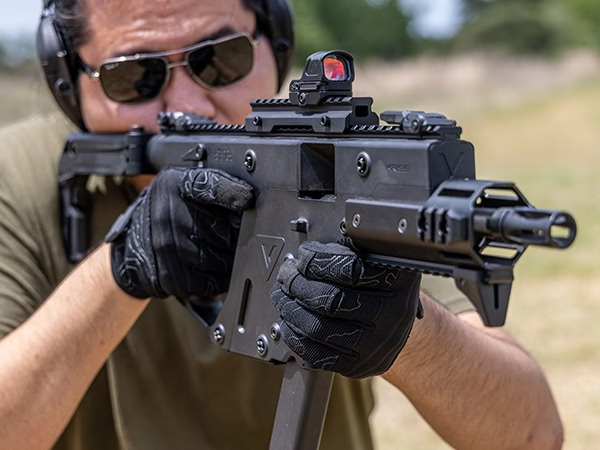
An SBR may be worth considering if your priority is compact size, shoulder-fired control, and strong compatibility with modern rifle accessories. It can offer a balance of maneuverability and stability that some shooters prefer over handguns or longer rifles.
Inside a home, distances are usually short and angles can be tight. In that environment, compact handling may matter. Still, the best choice depends on the user’s training, legal situation, storage plan, and ability to use the firearm responsibly.
Why You Shouldn’t
Despite the benefits, an SBR is not the best solution for everyone. The biggest drawback is regulation. Acquiring and owning one can require extra paperwork, approval time, taxes, and strict compliance responsibilities.
There are also practical concerns. Short barrels can produce more blast and noise, especially indoors. Replacement, access, storage, and legal ownership questions may also become more complicated than with a standard rifle or handgun.
Best Barrel Length For Home Defense
Barrel length is one of the most important details to consider. For common rifle calibers, shorter barrels can improve handling, while longer barrels may improve velocity, blast control, and general versatility.
- 10.3-inch barrel: Very compact and easy to maneuver, but it may create more blast and requires careful accessory planning.
- 11.5-inch barrel: A popular middle-ground length that offers compact handling with improved performance compared with shorter setups.
- 14.5-inch barrel: Longer than a typical SBR setup, but still handy when configured properly and often more versatile for general use.
Factory SBR Options
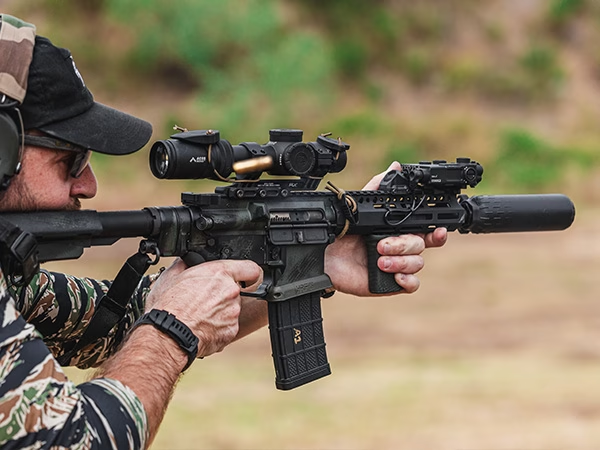
Some buyers prefer factory-built SBR options because they want a complete firearm from a known manufacturer rather than assembling parts themselves. Factory options may provide better fit, warranty support, and a more polished setup.
Before purchasing, compare barrel length, reliability reputation, accessory compatibility, optics mounting, weight, handguard space, and legal requirements. Also confirm that the product is legal for your location and that you understand all ownership responsibilities.
Conclusion
Is an SBR good for home defense? For some responsible owners, it can be a capable option because it offers compact handling, rifle-style stability, and excellent accessory support. However, the legal and practical trade-offs cannot be ignored.
For users who want simplicity, a standard rifle or handgun may be a more practical choice. For those willing to understand the regulations, storage requirements, and training needs, an SBR can be a serious defensive tool when used responsibly.
Frequently Asked Questions (FAQ)
Is an SBR good for home defense?
It can be, but it depends on your priorities, training, storage setup, and legal compliance responsibilities.
What does SBR stand for?
SBR stands for short-barreled rifle.
Are SBRs regulated?
Yes. In the United States, SBRs are regulated under the National Firearms Act.
What is the best barrel length for a home defense SBR?
Many users compare 10.3-inch, 11.5-inch, and 14.5-inch setups, but the best choice depends on use case, laws, and personal preference.