Optics
Long range shooting is one of the most demanding shooting disciplines. It pushes the shooter, rifle, optic, ammunition, and environment to work together with consistency. Among the biggest factors to understand are wind, mirage, distance, and optic selection.
This Gunvexa guide explains long range shooting in simple terms. It covers how wind affects shot trajectory, how mirage can help indicate conditions, how to choose a rifle scope, and how BDC, MOA, and MIL reticles compare.
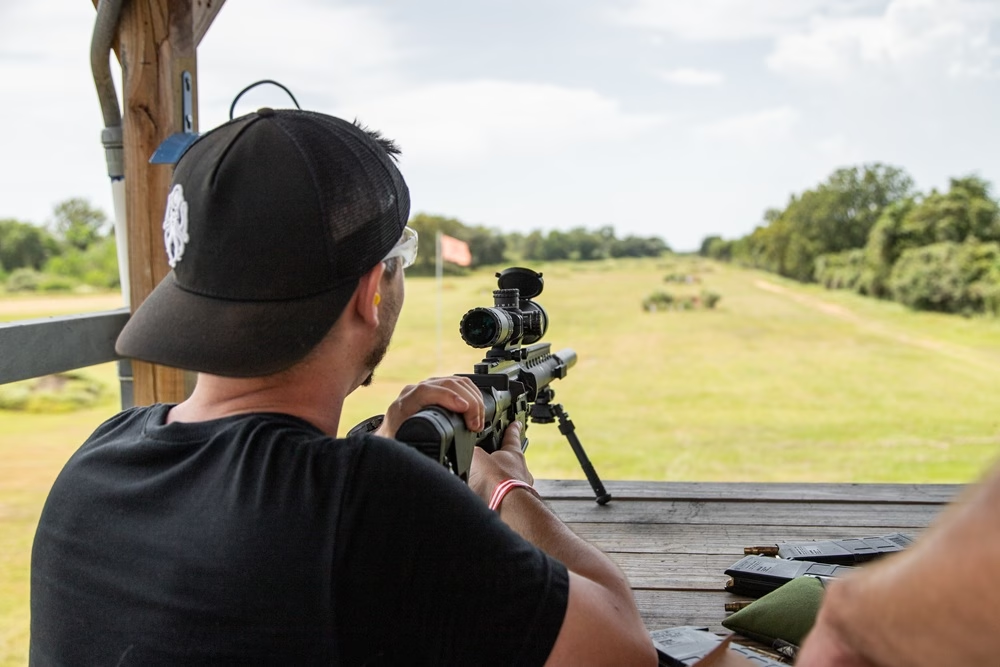
What Is Long Range Shooting
The term long range can vary depending on the rifle, cartridge, optic, and shooter. However, many shooters consider long range to begin when wind, bullet drop, and environmental changes start having a serious effect on point of impact.
At shorter distances, small wind changes may not move the bullet much. At longer distances, however, even a light breeze can push a projectile away from the intended target. Therefore, learning to read conditions is a major part of accurate long range shooting.
How Does Wind Affect Shot Trajectory
Wind speed and direction can both affect bullet flight. Crosswinds can push the projectile left or right, while headwinds and tailwinds can influence drag and vertical impact. The farther the target, the more time wind has to affect the bullet.
Because wind is rarely the same from shooter to target, long range shooters must observe the full path downrange. Grass, dust, flags, trees, and mirage can all help reveal what the wind is doing at different distances.
Reading The Wind
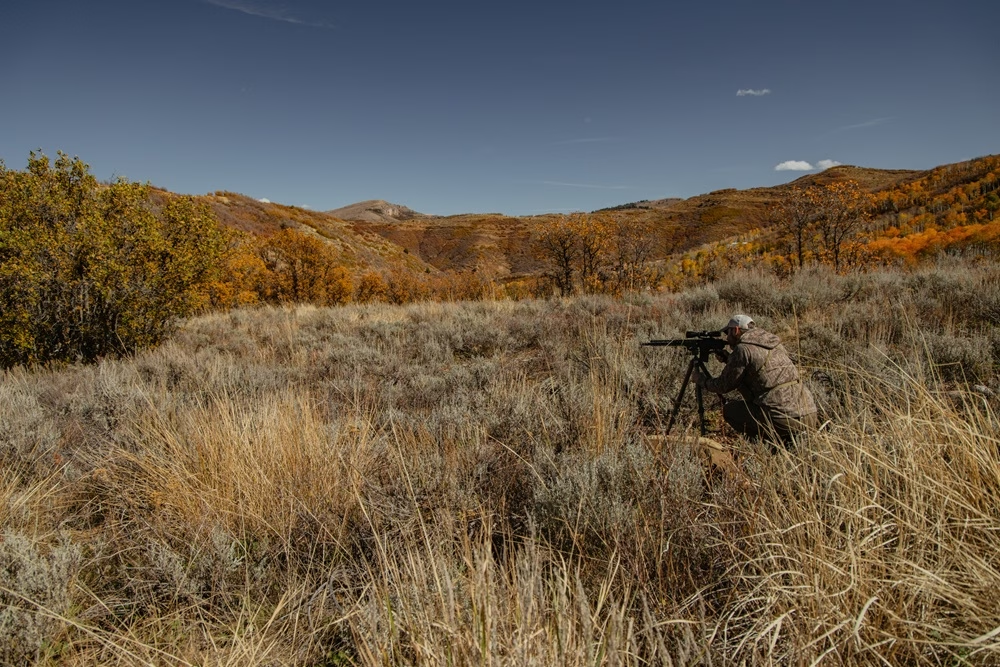
Reading the wind starts with nearby visual cues. Look at grass, leaves, bushes, dust, range flags, and anything else that shows movement. These clues can help estimate wind direction and relative speed.
A wind meter can give more exact data at the shooter’s position. Still, it only measures wind where you are standing. Conditions downrange may be different, so visual observation remains important.
With practice, shooters learn to combine wind meter readings with what they see downrange. This creates a more complete picture of the environment before making a correction or hold.
Understanding Mirage: What You’re Really Seeing
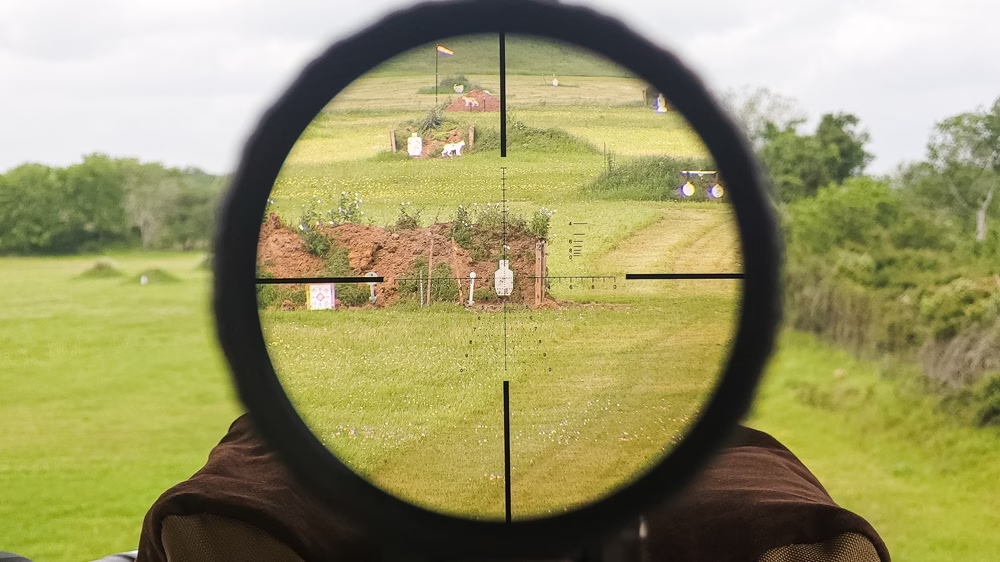
Mirage is caused by light bending through layers of air with different temperatures. Through a rifle scope, it may look like waves, shimmer, or movement above the ground. This effect can help reveal wind direction and speed.
A boiling mirage appears to rise mostly straight up and may indicate little downrange wind. An angled mirage suggests a moderate wind direction. A flatter streaming mirage can indicate stronger wind movement.
How Mirage Indicates Wind Speed And Direction
Mirage is not a perfect wind meter, but it is a valuable field clue. By increasing scope magnification and focusing slightly short of the target, shooters can often see the movement of mirage more clearly.
When combined with grass, flags, dust, and impact feedback, mirage can help improve wind calls. Over time, this skill becomes more natural and can greatly improve confidence at distance.
Choosing The Right Scope For Long Range Shooting
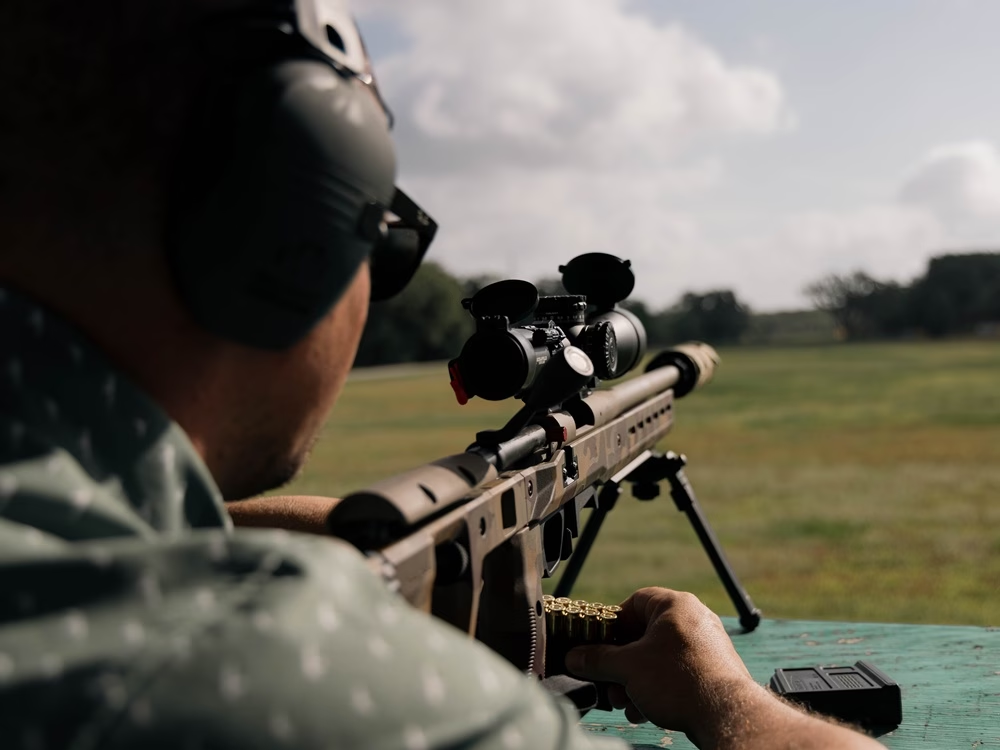
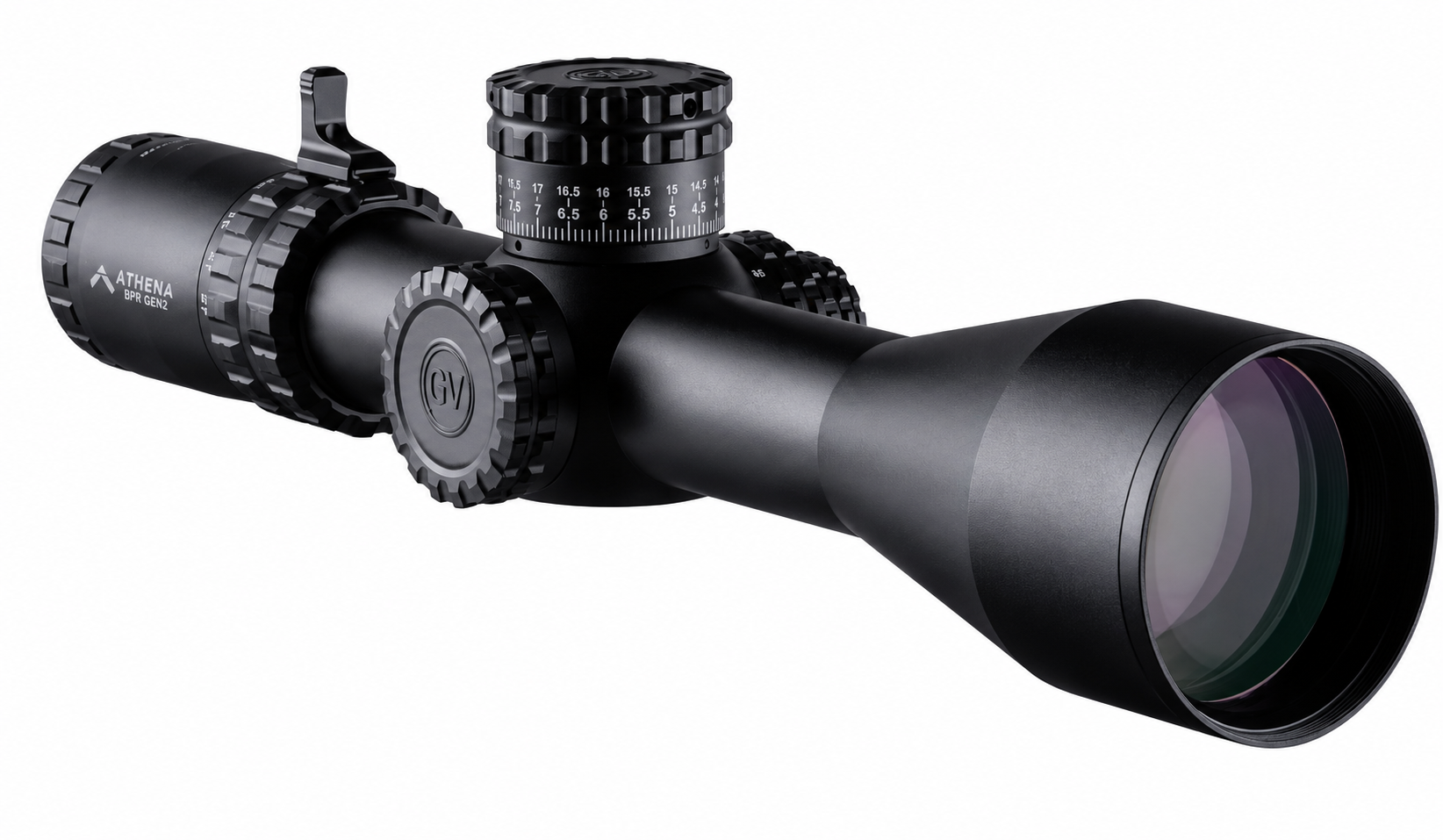
The right rifle scope for long range shooting should offer clear glass, dependable tracking, useful magnification, strong adjustment controls, and a reticle that matches your shooting style.
First focal plane scopes are popular because the reticle subtensions stay accurate across magnification settings. In addition, exposed turrets, zero stops, and repeatable adjustments can make long range shooting more practical.
BDC Vs. MOA Vs. MIL
Rifle scopes may use different reticle systems, including BDC, MOA, and MIL. Each has a purpose, and the best choice depends on how you prefer to make elevation and windage corrections.
BDC Reticles
BDC stands for Bullet Drop Compensation. These reticles are designed to provide holdover references for specific cartridges or general ballistic profiles. They can be simple and fast, but they may be less flexible than MOA or MIL systems.
MIL Reticles
MIL reticles use milliradian-based measurements. They are common in precision shooting because they allow accurate holds, spotting corrections, and communication between shooters using the same system.
MOA Reticles
MOA reticles use minute-of-angle measurements. Many shooters like them because they relate closely to inches at 100 yards. MOA systems remain popular for hunting, target shooting, and general precision use.
Which Is Best?
No system is best for everyone. BDC is simple, MOA is familiar to many shooters, and MIL is widely used in precision environments. The right option is the one you can understand, apply quickly, and use consistently.
Conclusion
Wind and mirage are two of the most important factors in long range shooting. A light breeze can move a bullet off target, while mirage can reveal useful clues about downrange conditions.
Although wind meters and advanced tools can help, strong observation skills are still important. Grass, trees, dust, flags, and heat waves can all give useful information when making a wind call.
With a dependable rifle scope, a clear reticle system, and steady practice, reading wind and mirage becomes easier. As a result, shooters can make better corrections and build more confidence at distance.
Frequently Asked Questions (FAQ)
What is a mirage when shooting at long range?
Mirage is the visible shimmer caused by light bending through changing air temperatures. Through a scope, it can help indicate wind direction and speed.
Is mirage or wind more important for long range shooting?
Wind is usually the direct factor that moves the bullet, while mirage is one tool that helps read wind. Both matter because mirage can help you understand what the wind is doing downrange.