Gear
Suppressor technology has advanced quickly, giving firearm owners more choices than ever before. One of the biggest decisions buyers face is whether to choose a multi-caliber suppressor or a caliber-specific suppressor.
A multi-caliber suppressor can serve across several firearm platforms. Meanwhile, a caliber-specific model is built around one cartridge or a narrow cartridge family for stronger performance and efficiency.
Understanding both options helps buyers make smarter choices based on cost, compatibility, sound reduction, weight, maintenance, and long-term firearm plans.
What Is A Multi-Caliber Suppressor?
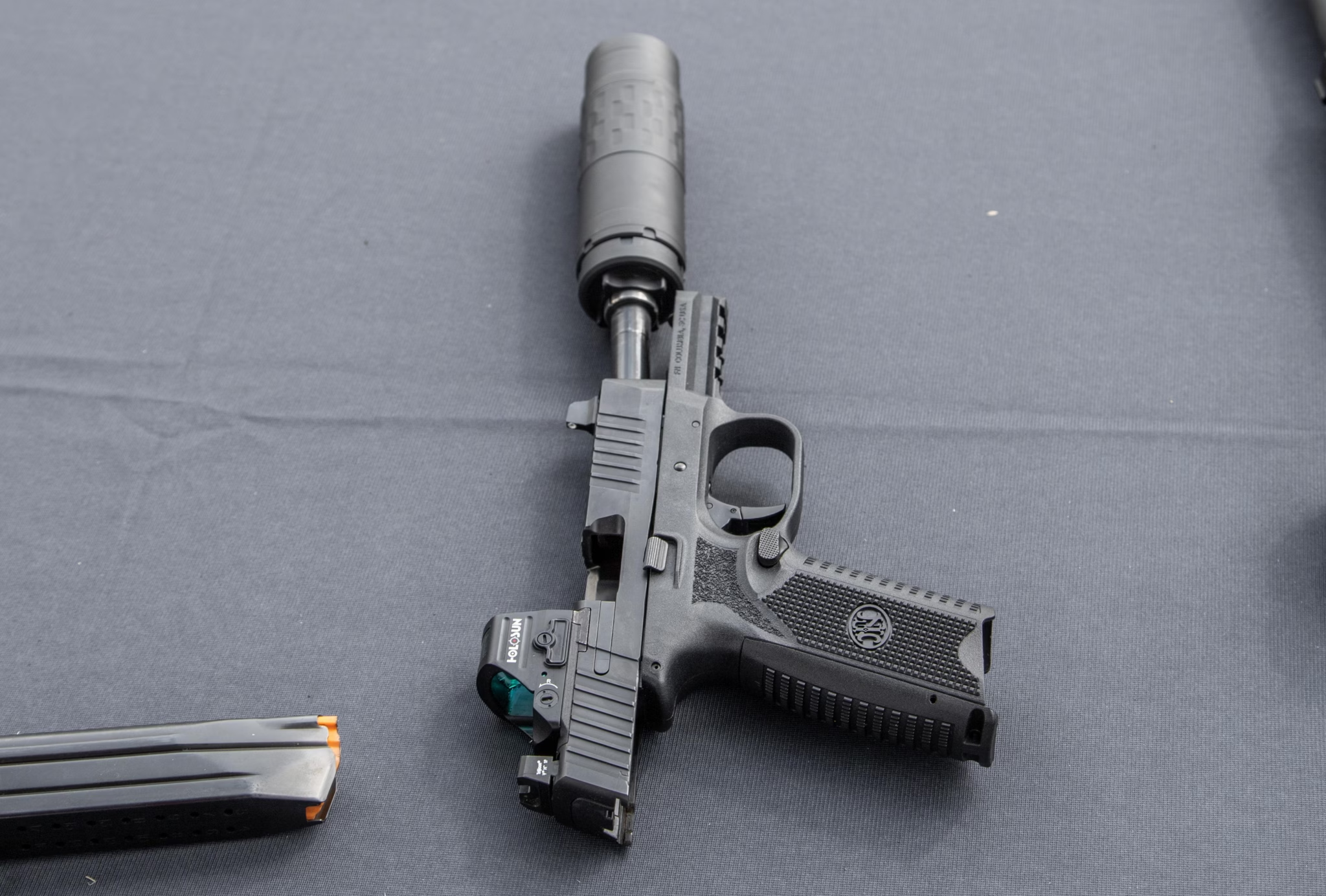
A multi-caliber suppressor is designed to work across several compatible cartridges and firearm platforms. Instead of being limited to one specific caliber, it gives shooters flexibility when using multiple hosts.
This approach is attractive because one suppressor can support different firearms when used within the manufacturer’s rating. As a result, many buyers choose multi-caliber models as their first suppressor.
However, compatibility depends on bore size, pressure rating, mounting system, barrel length restrictions, and ammunition type. Therefore, users should always confirm the suppressor’s official specifications before use.
How Caliber-Specific Suppressors Work
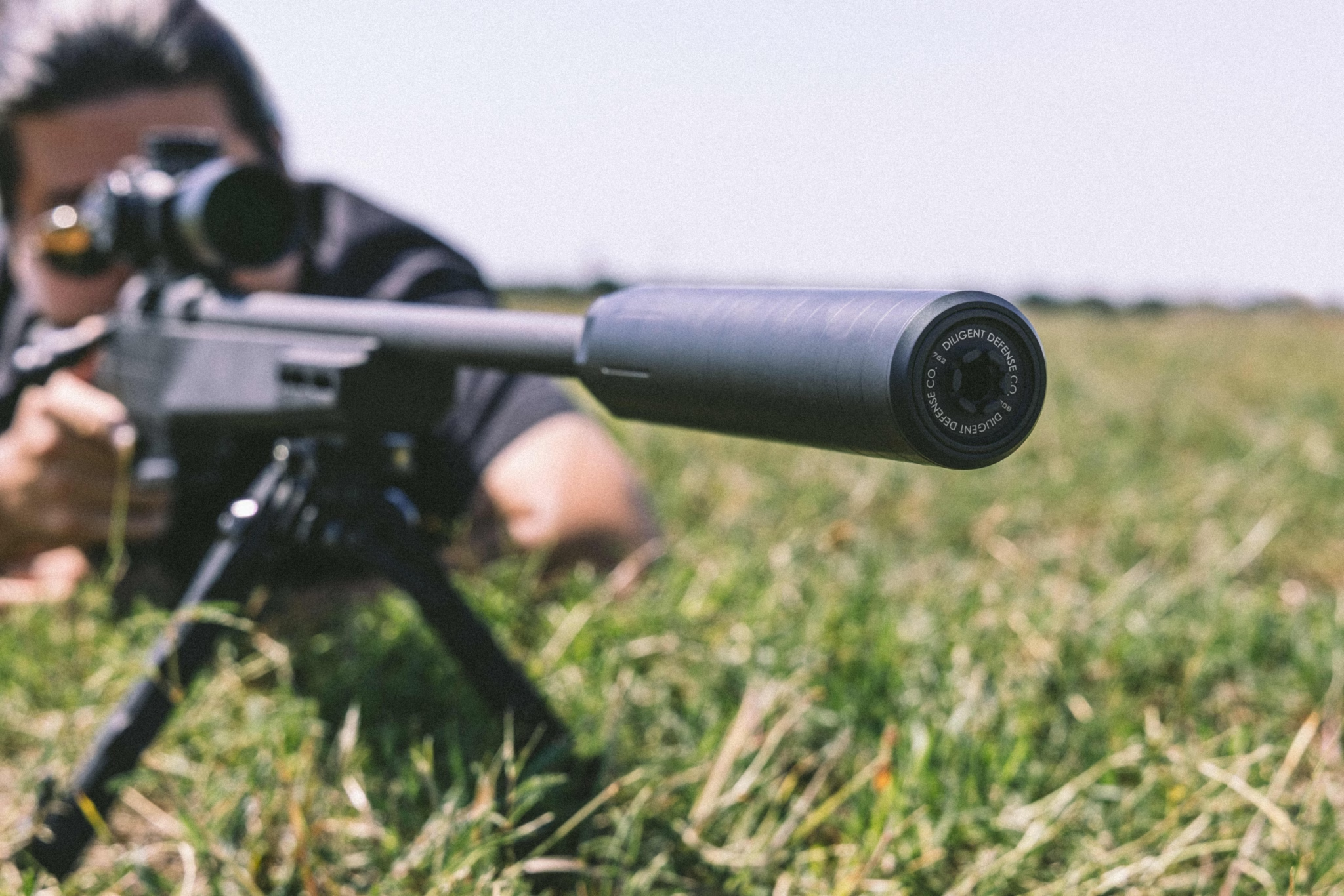
Caliber-specific suppressors take the opposite approach. Rather than focusing on broad adaptability, they are optimized for one cartridge or a narrow family of cartridges.
The tighter bore alignment can help manage expanding gases more efficiently. In addition, the baffle geometry, internal volume, and material selection can be tuned around the cartridge’s pressure profile.
For example, a dedicated rifle suppressor for 5.56 NATO may use geometry designed for sharp pressure and high gas velocity. Meanwhile, a .300 Blackout suppressor may be optimized around subsonic and supersonic loads.
Advantages Of Multi-Caliber Suppressors
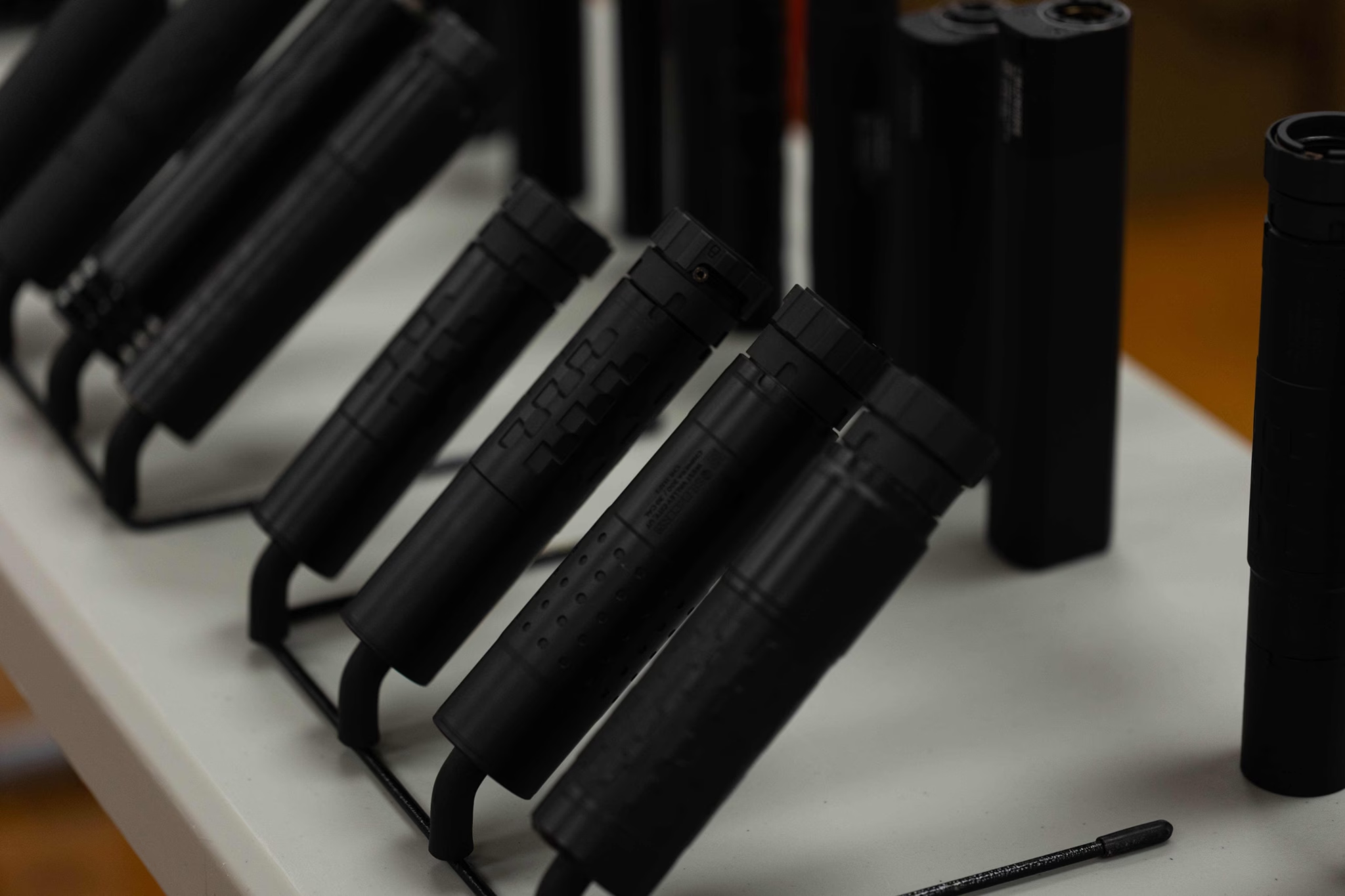
The first advantage of a multi-caliber suppressor is flexibility. One unit may serve several firearms, which can make it a practical choice for shooters with growing collections.
Cost efficiency is another major benefit. Instead of buying a dedicated suppressor for each firearm, users can invest in one quality suppressor and compatible mounts.
Multi-caliber suppressors are also convenient for buyers who are still learning their preferences. They allow experimentation across platforms before committing to dedicated suppressors later.
Drawbacks Of Multi-Caliber Suppression
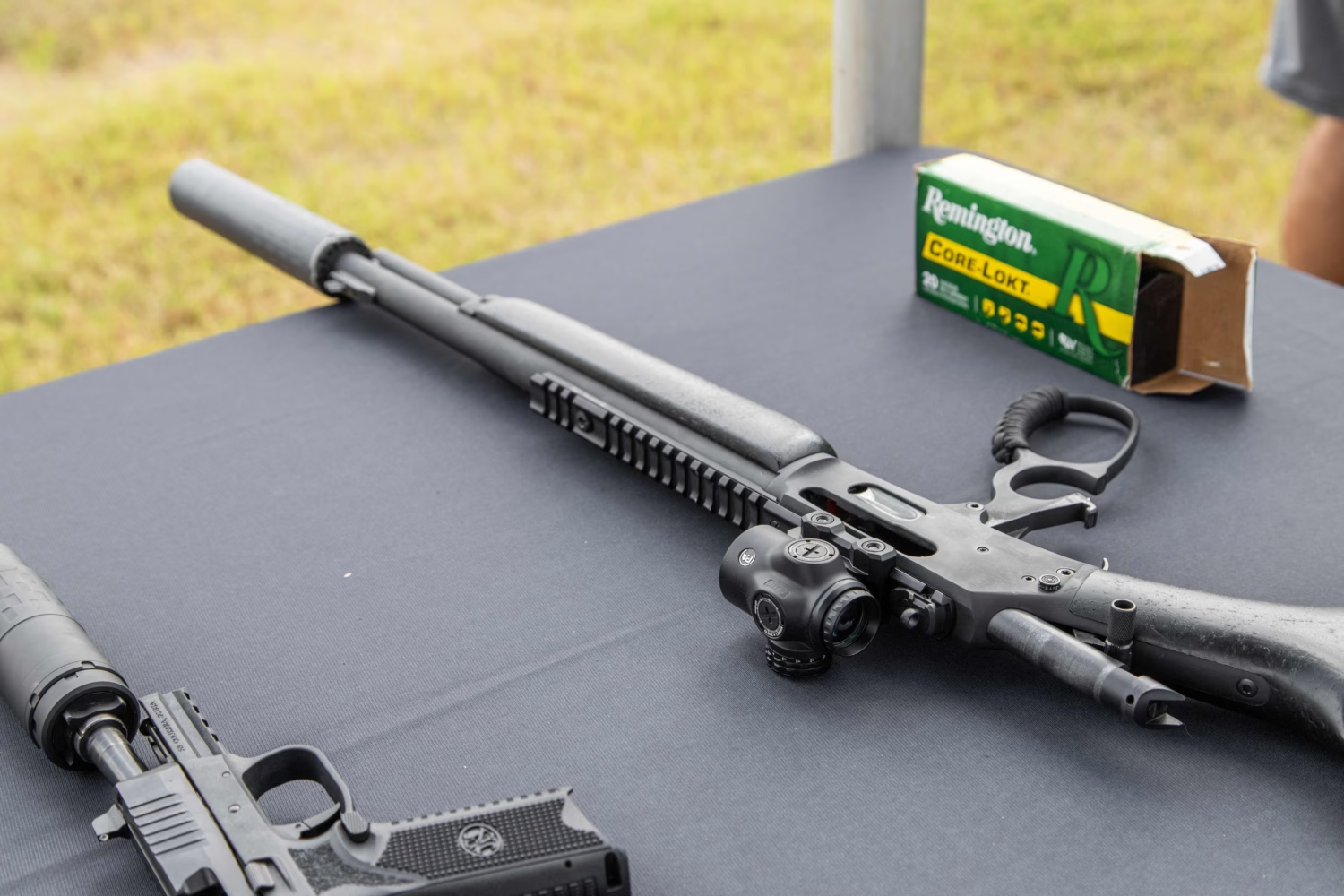
Although multi-caliber suppressors are versatile, they are not free from trade-offs. Because the bore must support several cartridges, sound reduction may be less efficient than a tighter caliber-specific design.
They can also be larger or heavier than a dedicated suppressor built for one platform. This can affect balance, handling, and comfort during long shooting sessions.
Mount changes may create another inconvenience. If the suppressor moves between rifles, pistols, and PCCs, users may need different adapters, pistons, fixed mounts, or muzzle devices.
Advantages Of Caliber-Specific Suppressors
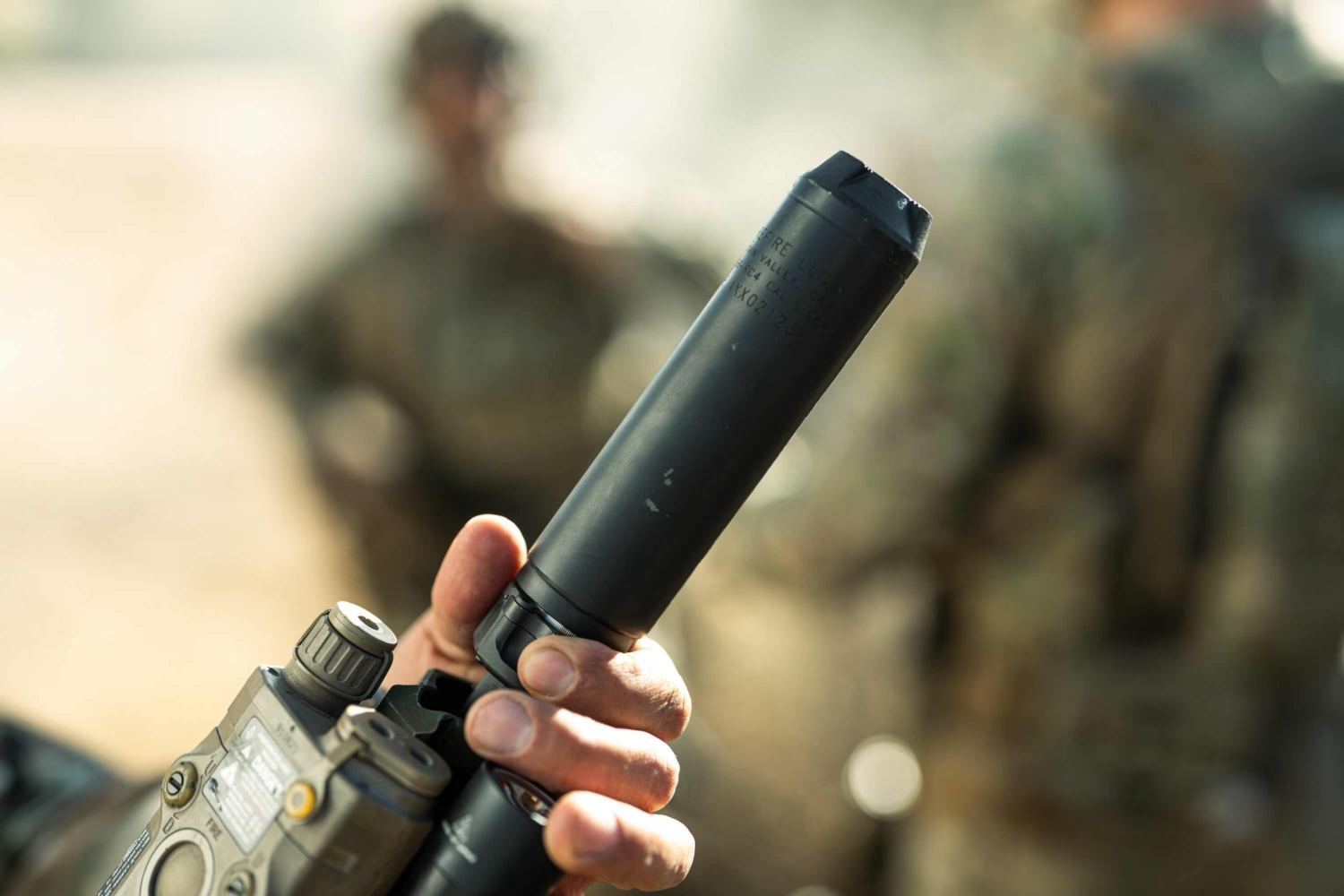
Caliber-specific suppressors excel by focusing on one task and performing it very well. This specialization can improve sound reduction, gas control, weight balance, and overall shooting experience.
Because these suppressors are built around one ballistic profile, the designer does not need to compromise as much for broad compatibility. Therefore, dedicated models often appeal to precision shooters, hunters, competitors, and serious enthusiasts.
They may also feel better on the firearm. A dedicated 5.56 suppressor, for example, can often be shorter and lighter than a large universal suppressor.
Drawbacks Of Caliber-Specific Suppressors
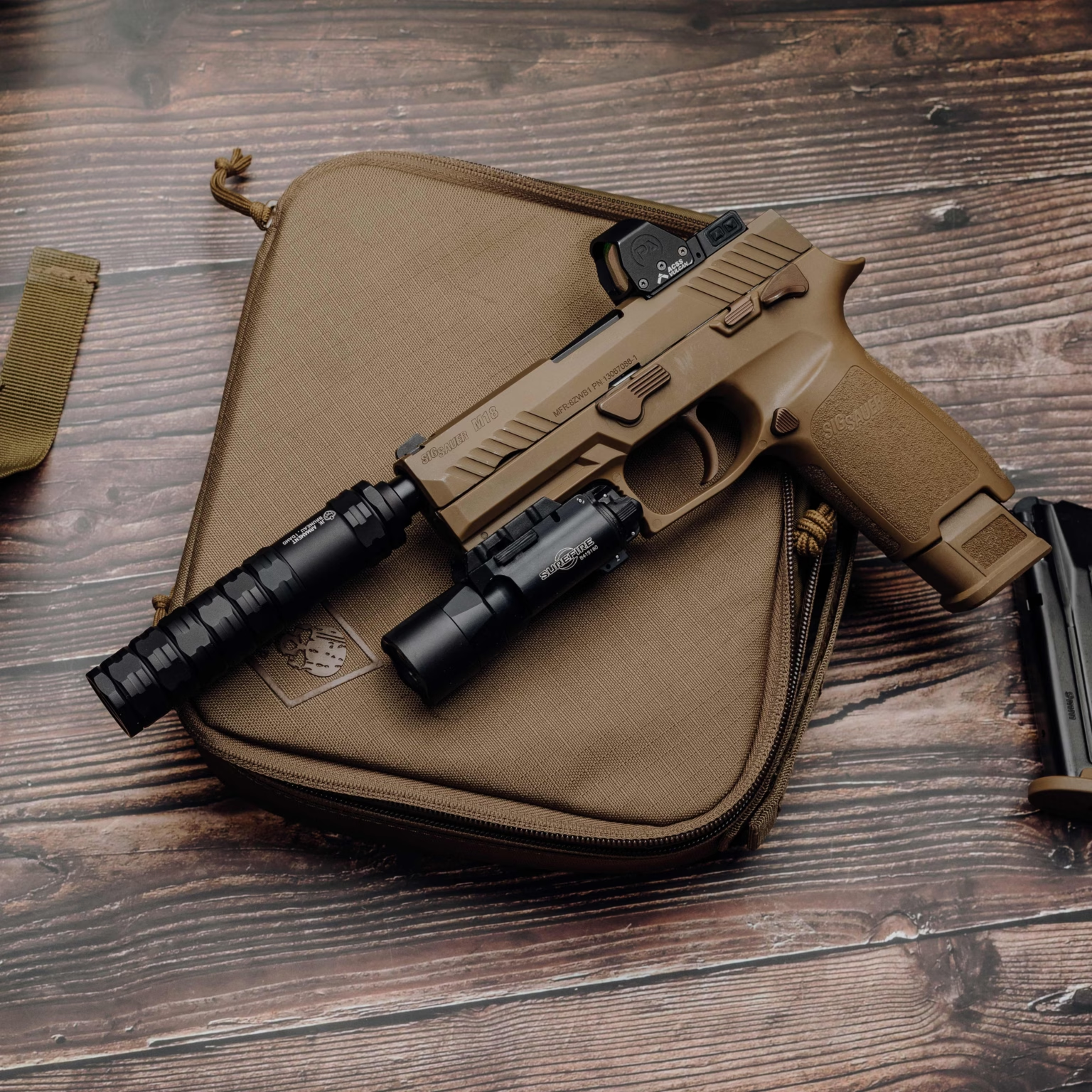
The main drawback of caliber-specific suppressors is limited flexibility. If you buy a dedicated suppressor for one cartridge, it may not work safely or effectively with other calibers.
Cost can also increase quickly. Building a collection of dedicated suppressors for multiple firearms may require more money, more paperwork, and more storage planning.
Maintenance can become more demanding as well. Each suppressor requires inspection, cleaning, and proper care based on its design and intended use.
Choosing The Right Suppressor For You
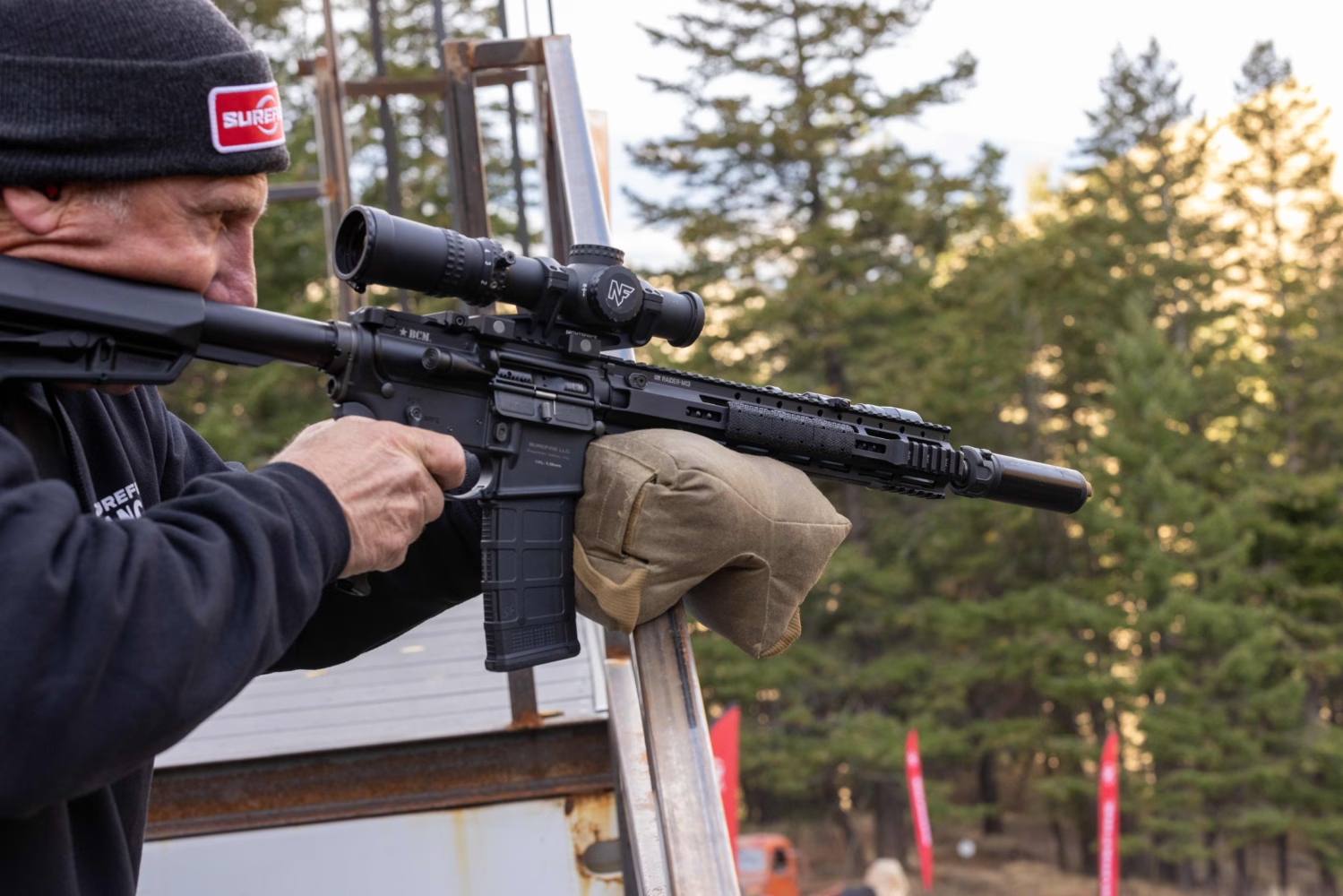
The right choice depends on your firearm collection, budget, shooting style, and long-term equipment goals. If you want one suppressor for several compatible platforms, a multi-caliber option may be the better starting point.
If you value peak performance on one primary firearm, a caliber-specific suppressor may be the stronger choice. This is especially true for precision rifles, dedicated hunting setups, and permanent home-defense configurations.
Many users eventually choose a hybrid strategy. They begin with a versatile multi-caliber suppressor, then add dedicated suppressors later for the firearms they use most often.
Conclusion
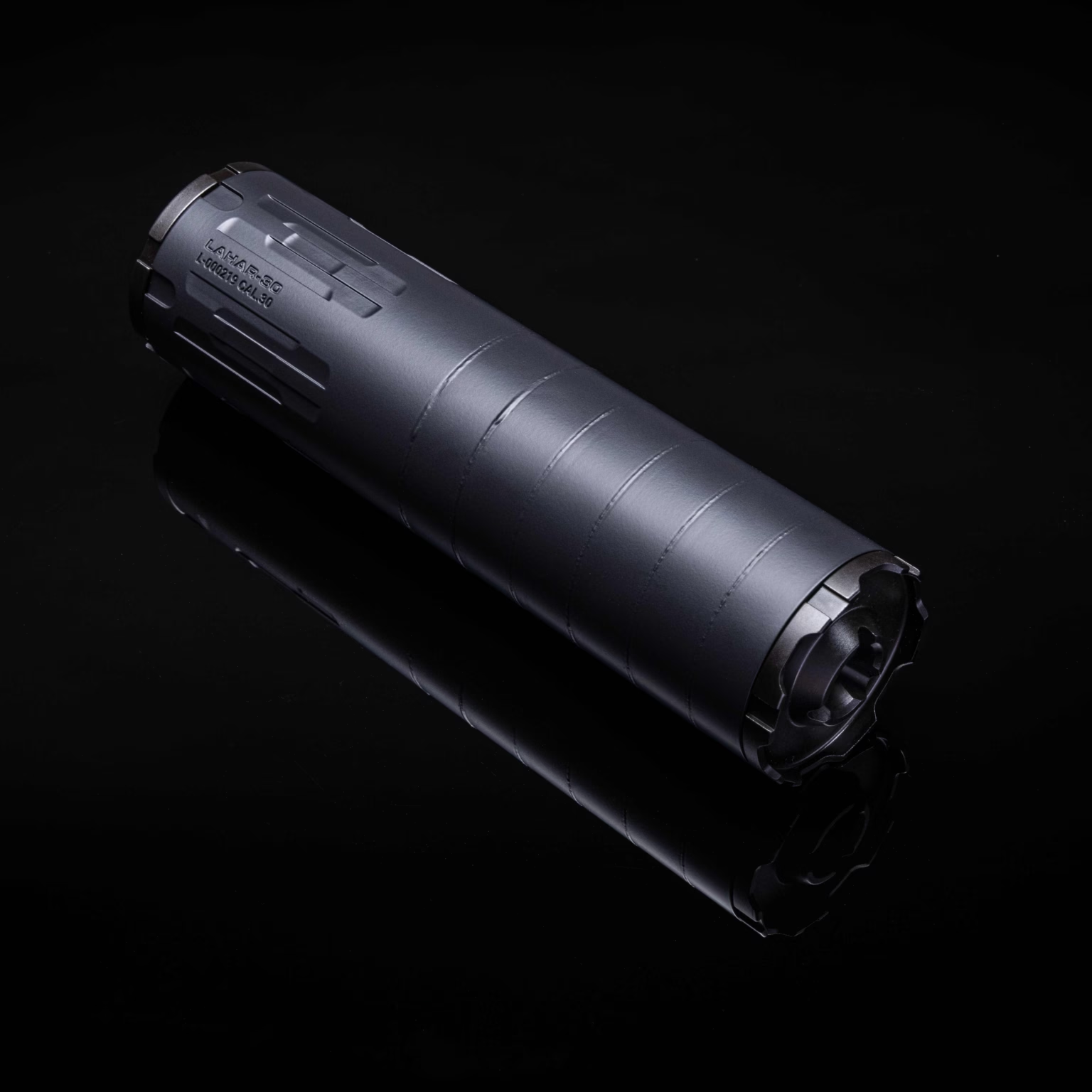
The debate between multi-caliber and caliber-specific suppressors is not about one universal winner. Instead, it comes down to balancing versatility and optimization.
Multi-caliber suppressors provide practical flexibility for shooters who want broad compatibility. Caliber-specific suppressors offer stronger optimization for users who want the best possible performance from a dedicated platform.
In the end, the best suppressor is the one that matches your firearm, caliber, budget, training needs, and long-term shooting goals.