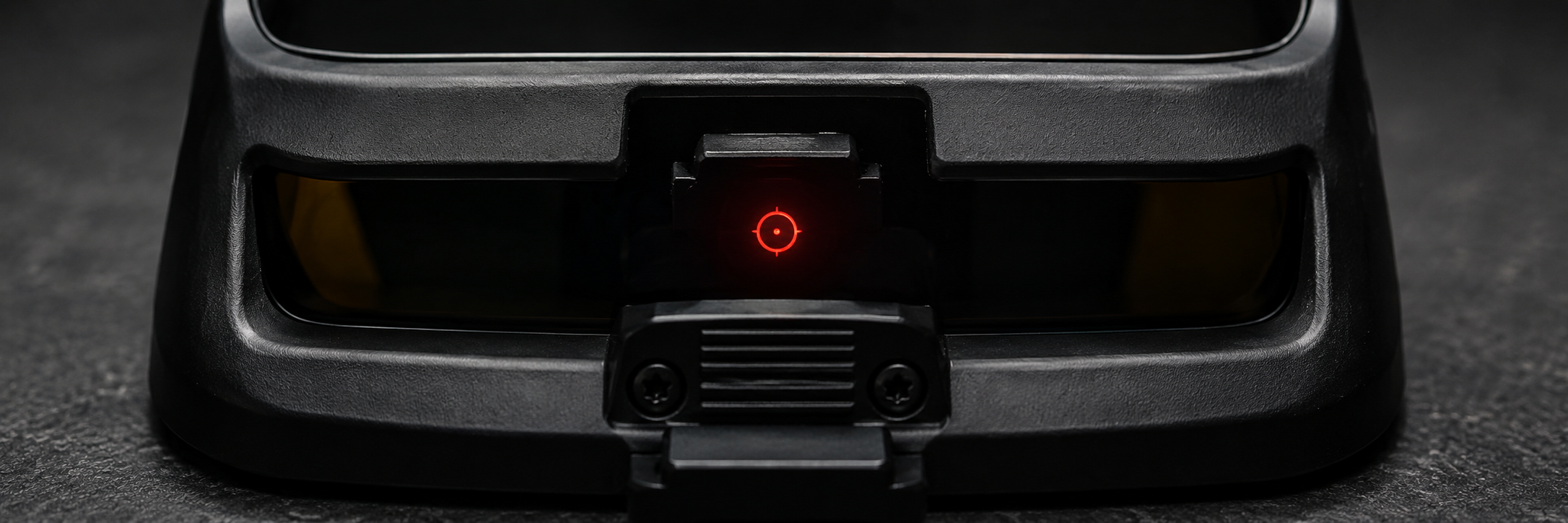
Optics
Red vs. green vs. gold dot sights is a common comparison for buyers who want a clear optic choice. Red dots are popular, green dots are bright, and gold dots offer a newer option for users who want strong contrast.
This Gunvexa guide explains the main differences in simple terms. It covers reflex sight basics, gold dot benefits, reticle visibility, vision considerations, battery life, and practical buying tips.
For related products, visit the Gunvexa shop. You can also browse Gunvexa optics or read more helpful guides on the Gunvexa blog.

The Basics: What Are Reflex Sights
Reflex sights are optics that use an illuminated reticle to help users aim faster. Instead of relying only on iron sights, the shooter sees a dot or aiming mark through the optic window.
In many cases, reflex sights are used because they can support faster target focus. They are common on rifles, handguns, and other sporting platforms. However, the best choice depends on the user’s eye, lighting conditions, battery needs, and optic design.
The term reflex sight can include several optic styles. Some are open-emitter designs, while others use enclosed housings. In addition, holographic-style optics are often discussed in the same general category because they also use an illuminated aiming point.
- Open-emitter reflex sights are compact and lightweight. They often give a wide field of view, although the emitter area may be more exposed.
- Red dot sights are very common. They are easy to find, simple to use, and available from many optic brands.
- Green dot sights can appear brighter to many eyes. As a result, they are popular for daylight visibility.
- Gold dot sights use a yellow-gold reticle color. Therefore, they can offer useful contrast for certain users.
Reticle Selection
Reticle selection matters because different users prefer different aiming patterns. Some optics use a simple dot, while others include a circle-dot setup, multi-reticle system, or larger aiming mark.
Red and green have been the most common reticle colors for many years. However, gold dot sights have become a serious option for buyers who want something different from the standard red or green reticle.
Gold Dot Sights
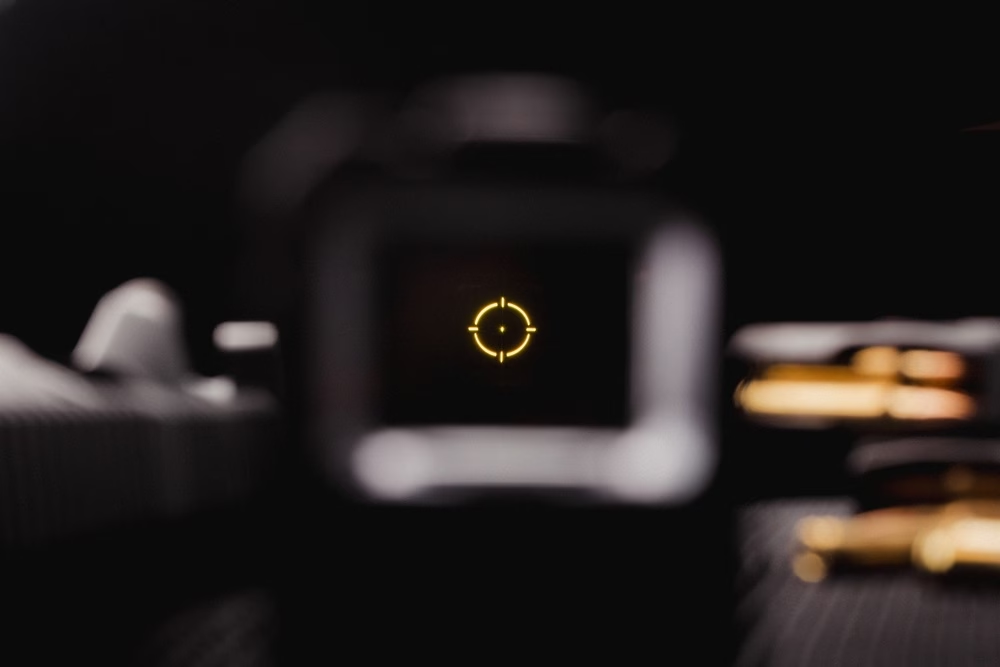
Gold dot sights use a gold or yellow-style aiming point. At first, that may sound like only a color change. Still, the color can make a real difference depending on the user’s eyes and target background.
Gold sits visually between red and green for many users. Because of this, it can offer a balanced look that feels bright without being as harsh as some reticles in certain lighting conditions.
Another advantage is contrast. A gold reticle can stand out well against many dark, gray, green, or mixed backgrounds. As a result, some users may find it easier to pick up quickly.
Advantages Of Gold Dot Sights
Gold dot sights can be useful for buyers who want strong visibility and a different reticle tone. They may also help users who struggle with common red and green reticle colors.
In addition, a gold reticle may feel comfortable in bright outdoor settings. It can also remain easy to see indoors when the brightness setting is adjusted correctly.
Gold Dot Usage With Vision Conditions
Some users with red and green color sensitivity issues may prefer a gold-style reticle. Because gold/yellow tones are different from standard red and green, they can be easier for some eyes to separate.
Users with astigmatism may also prefer one reticle color over another. However, astigmatism affects people differently. For that reason, the best approach is to compare reticle colors in person when possible.
If a dot looks blurry, star-shaped, or smeared, the issue may be related to the user’s eye rather than the optic itself. In that case, a different reticle color, brightness level, or optic design may help.
Comparing Your Options: Red Vs. Green Vs. Gold
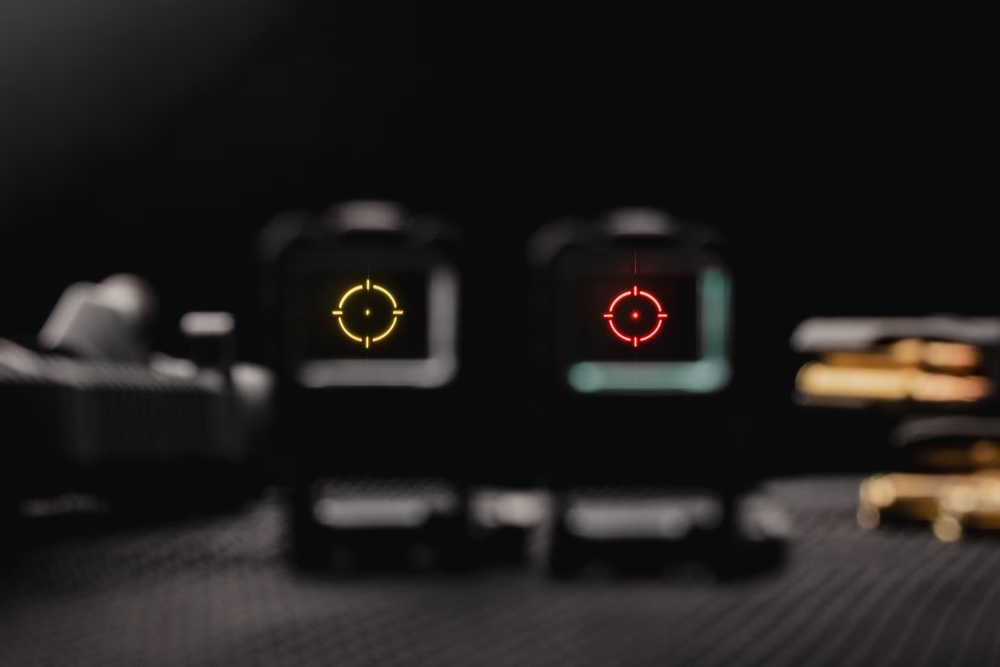
When comparing red vs. green vs. gold dot sights, there is no single winner for every buyer. Each reticle color has advantages depending on eyesight, environment, brightness, and product availability.
Red Vs. Green Vs. Gold
Red dot sights are the most common choice. They are widely available, often affordable, and easy to support with many optic models. Therefore, red remains a safe option for most buyers.
Green dot sights often appear brighter to the human eye. This can make them easier to pick up in daylight. However, some green reticles may use more power depending on the optic design and brightness setting.
Gold dot sights offer a unique middle ground. They can provide strong contrast and may be easier for certain users to see than red or green. Still, product availability may be more limited than standard red and green options.
Which Should You Go With?
If you want the most common and widely supported option, red is a practical choice. If you want stronger perceived brightness, green may be better. However, if you want high contrast and a different reticle color, gold is worth considering.
The best optic is the one that fits your eyes, your platform, your budget, and your intended use. For that reason, compare brightness settings, reticle shape, window size, battery life, mounting type, and warranty before buying.

Conclusion
Red, green, and gold dot sights all have a place in modern optics. Red offers broad availability, green offers strong brightness for many users, and gold offers a useful contrast option that can work well for certain eyes.
For most buyers, the right choice depends on visibility, comfort, battery life, optic size, mounting setup, and budget. If possible, compare the colors in person before choosing. That way, you can select the reticle that looks cleanest and fastest to your eyes.
What Is A Gold Dot Sight And How Is It Different From Red Or Green?
A gold dot sight uses a yellow-gold aiming reticle instead of a red or green one. The main difference is visibility and contrast. Some users find gold easier to see against certain backgrounds.
Is A Green Dot Sight Better Than A Red Dot Sight For Someone With Astigmatism?
It depends on the user’s eyes. Some people with astigmatism prefer green, while others prefer red or gold. Testing different reticle colors and brightness settings is the best way to decide.
Does Dot Color Affect Battery Life?
Dot color can affect battery performance depending on the optic model, LED system, and brightness setting. Always check the product specifications before buying.