Firearms
Suppressors are popular rifle accessories because they can help reduce sound signature, control muzzle flash, and improve the overall shooting experience. However, they also add length and weight to a firearm, which is why many shooters look closely at short-barreled rifle setups.
This Gunvexa guide explains SBR performance when running a suppressor, including compact rifle handling, suppressor selection, gas pressure, cycling, muzzle behavior, and practical setup considerations for responsible firearm owners.
What Is An SBR?
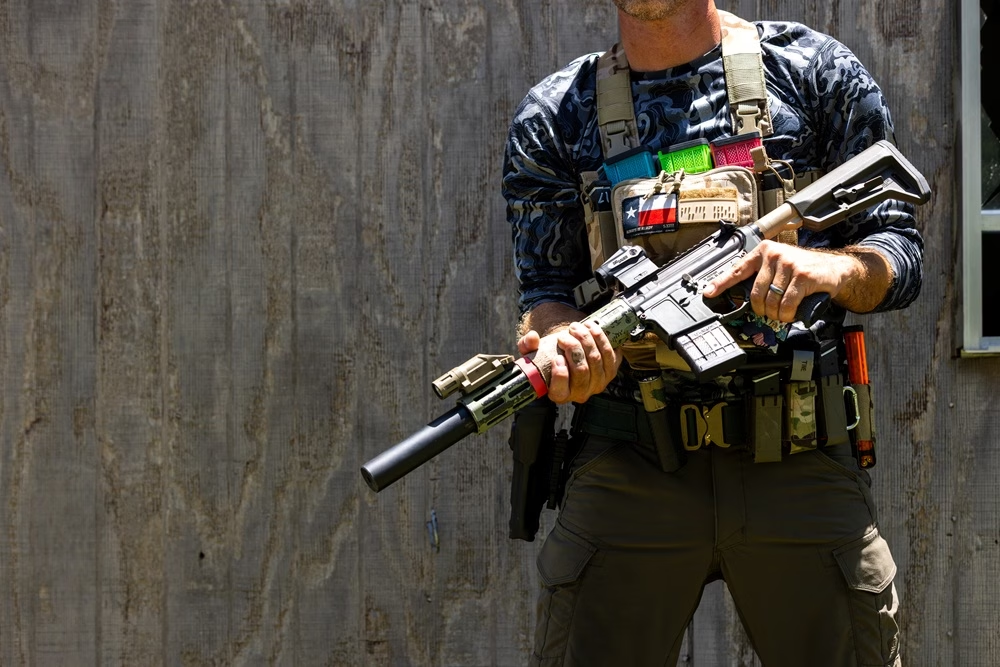
An SBR, or short-barreled rifle, is a rifle configuration with a shorter barrel than a standard full-length rifle. Because these firearms are regulated in many places, owners must always follow all applicable laws, registration requirements, and local compliance rules before buying or using one.
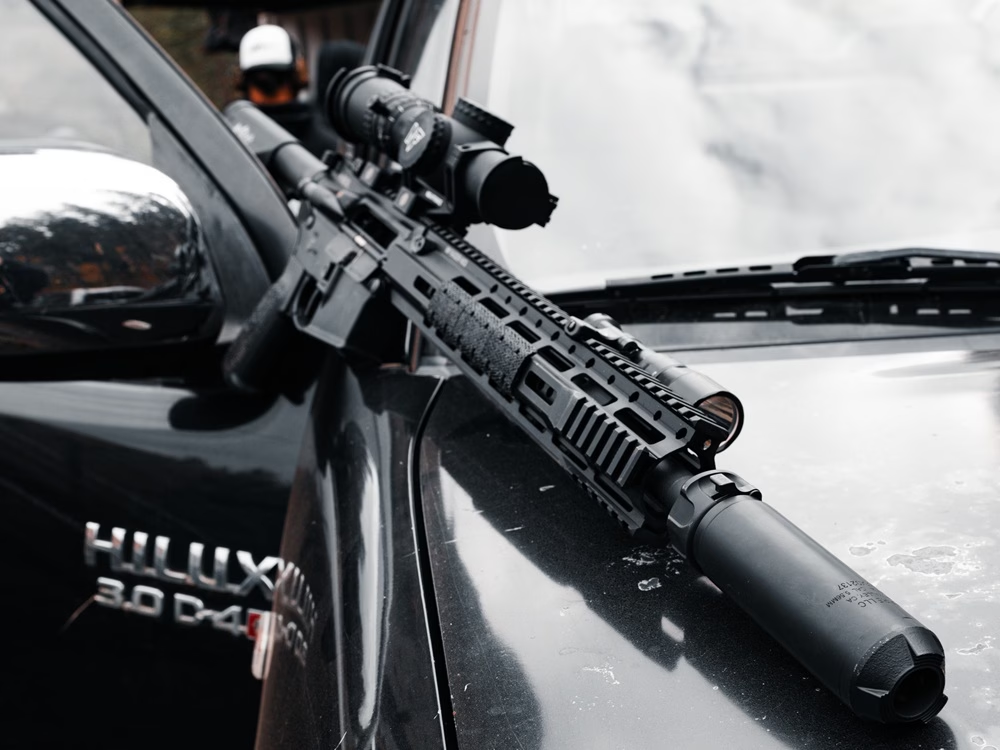
From a performance standpoint, an SBR is valued because it is compact and easier to maneuver in tight spaces. When paired with a suppressor, the shorter overall length can help balance the added size of the suppressor while keeping the firearm practical to handle.
SBR Purchase Process
The buying process for regulated firearms and suppressors can be different from standard firearm purchases. Always verify current requirements with qualified professionals and official sources before making a purchase decision.
Choosing An SBR Configuration
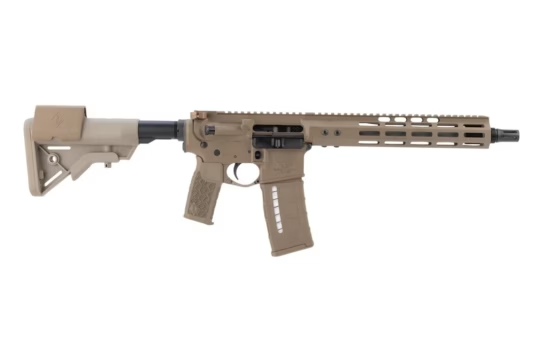
Choosing the right SBR configuration depends on your intended use, preferred caliber, barrel length, optic setup, handguard style, and suppressor compatibility. A good setup should feel balanced, reliable, and comfortable during training.
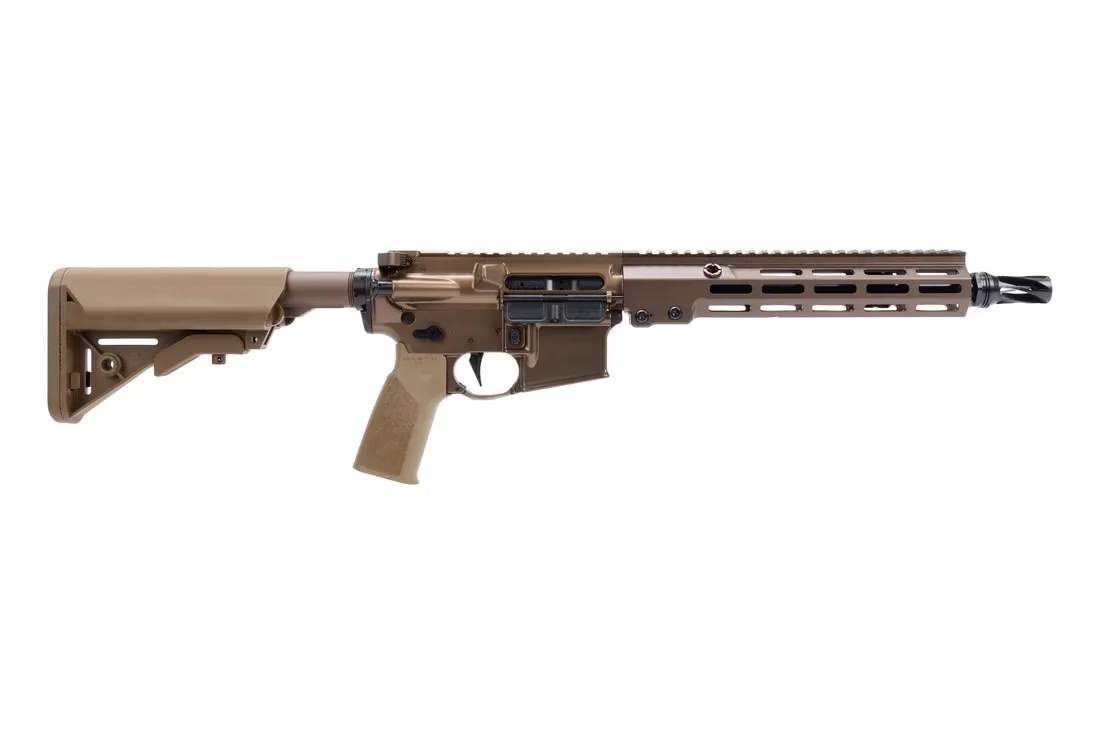
Geissele Automatics 11.5 Super Duty Mod 1
A quality 11.5-inch AR-style rifle can offer a strong balance of compact handling and usable ballistic performance. This type of setup is often chosen by shooters who want a shorter platform that still feels stable and controllable.
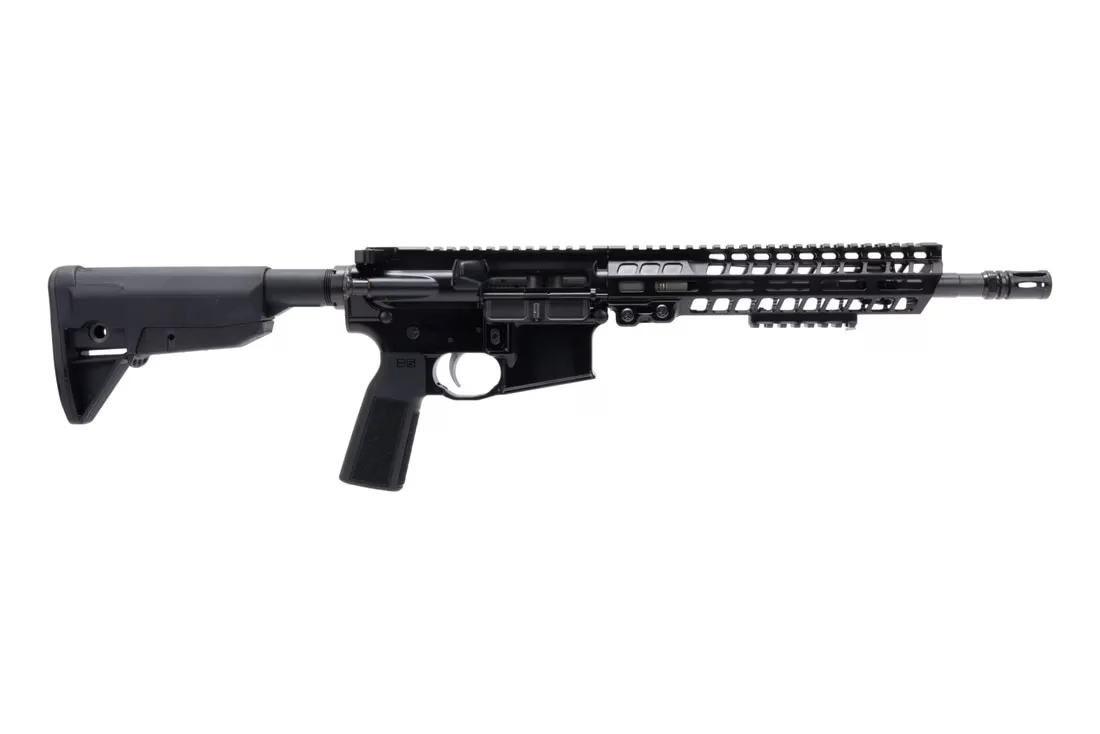
Geissele Automatics Border Patrol 11.5 AR-15
Another practical approach is a simpler 11.5-inch rifle build with rugged components, a dependable gas system, and a layout that remains easy to maintain. For many users, reliability and parts compatibility are more important than unnecessary extras.
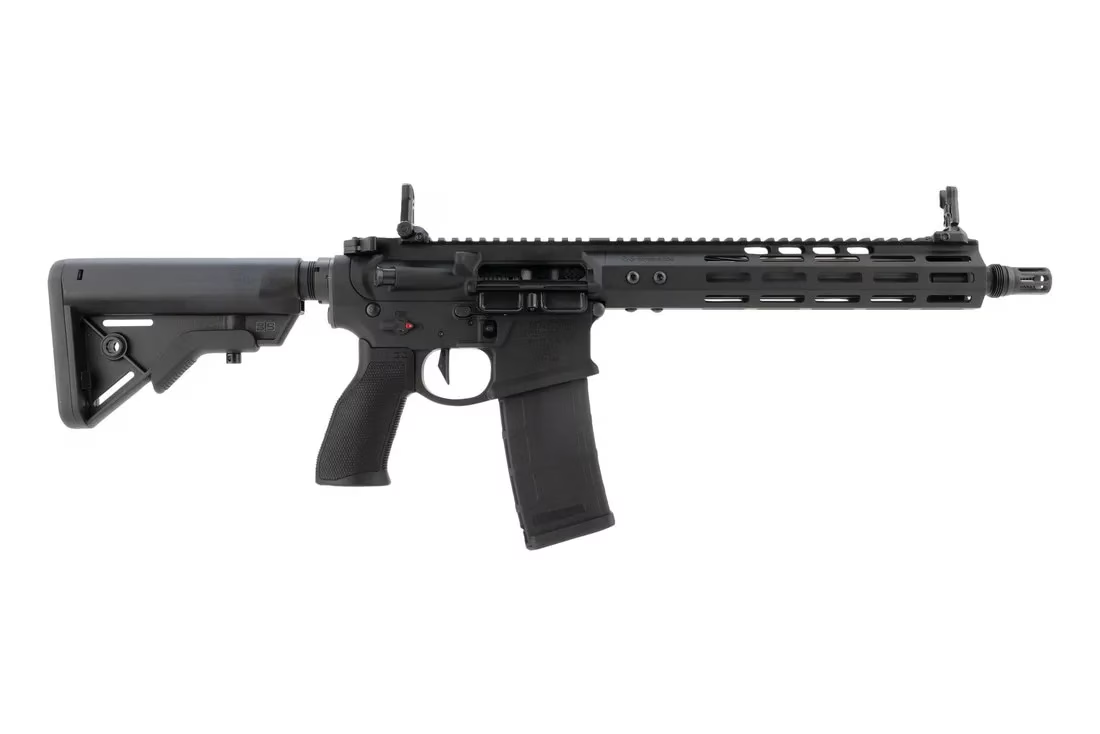
Noveske N4 Commando
Premium SBR-style rifles often focus on high-quality barrels, improved receivers, ambidextrous controls, durable handguards, and compatibility with modern muzzle devices. These upgrades can improve the overall feel of the rifle, especially when paired with a suppressor.
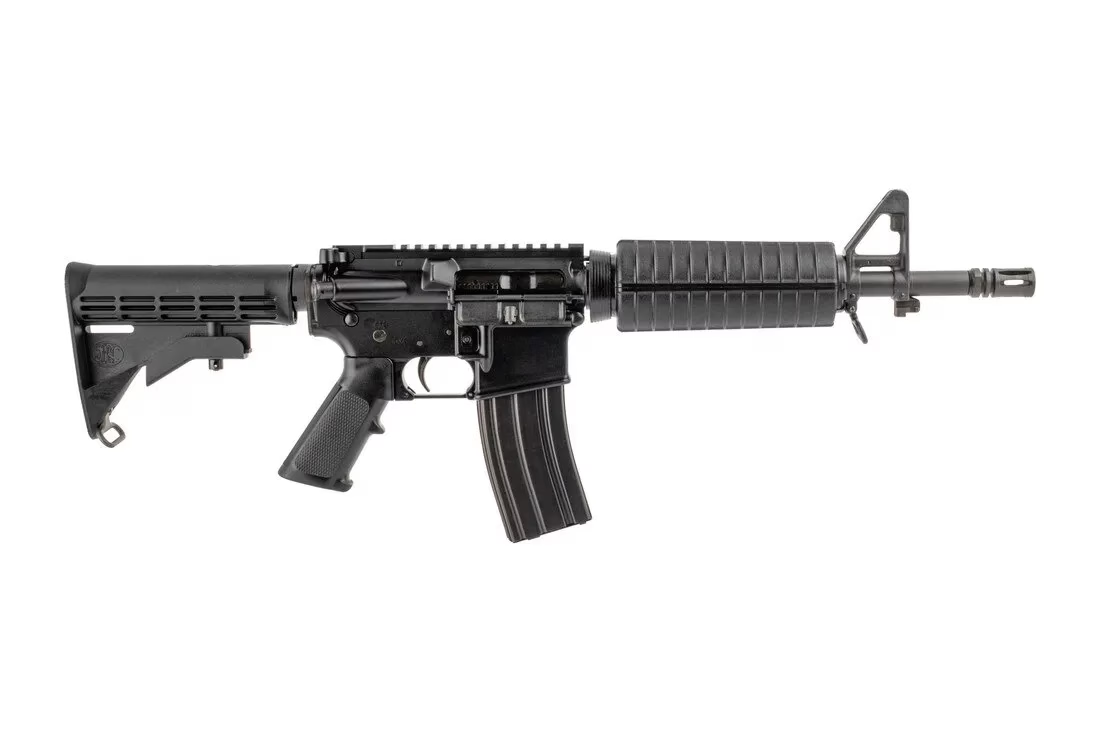
FN America FN15
A more straightforward rifle can still be a strong choice when it is built with dependable components. Many shooters prefer a simple, durable setup because it is easier to service, easier to train with, and less complicated to keep consistent.
How Suppressors Affect An SBR’s Performance
Adding a suppressor to an SBR can change the way the rifle feels and operates. The biggest changes usually involve sound signature, muzzle flash, back pressure, cycling behavior, balance, and heat buildup during extended shooting sessions.
Sound And Flash Reduction
The most obvious benefit of a suppressor is reduced sound signature and reduced muzzle flash. This can make the rifle more comfortable to shoot and can also reduce visible flash in low-light conditions. However, suppressors do not make firearms silent, and performance depends on caliber, ammunition, barrel length, and suppressor design.
Muzzle Velocity
Shorter barrels can reduce muzzle velocity compared to longer rifles. A suppressor may improve consistency in some setups, but it does not fully replace the velocity lost from a short barrel. Choosing the right barrel length and caliber remains important.
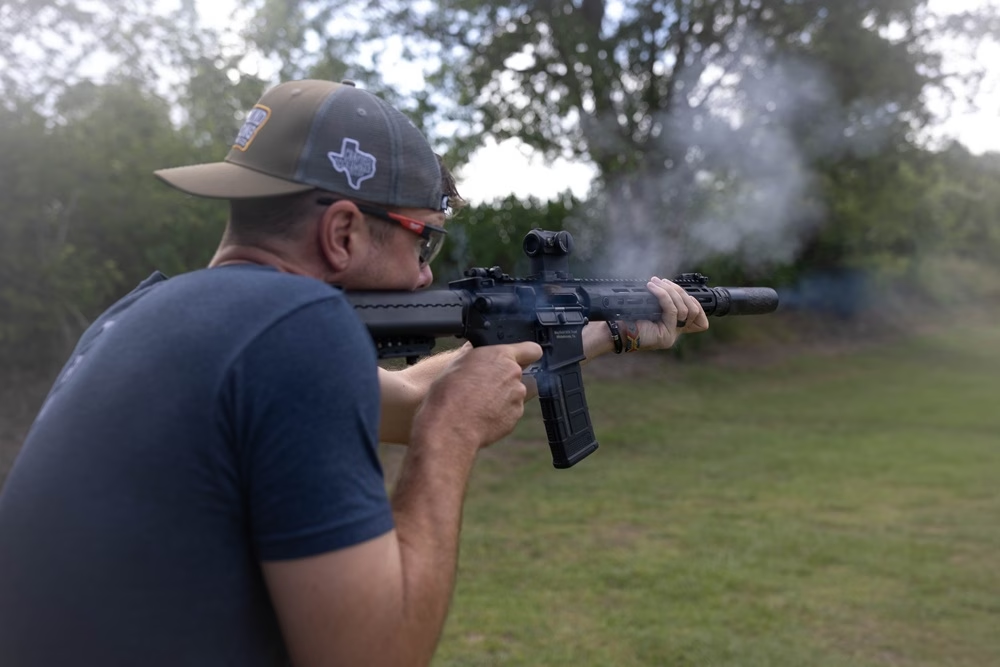
Gas Pressure And Cycling
Suppressors can increase back pressure, which may affect cycling speed, recoil feel, gas blowback, and parts wear. A properly tuned rifle can help manage these effects and make the firearm more comfortable and reliable during use.
Suppressor Selection For SBR Use
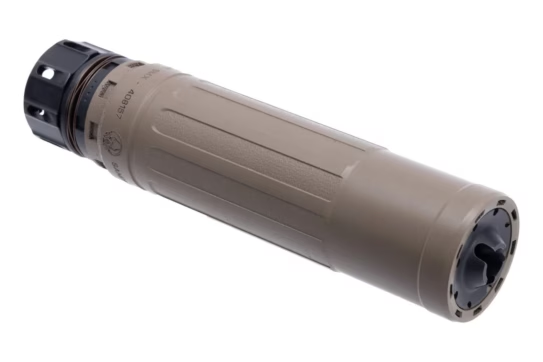
When selecting a suppressor for SBR use, consider length, weight, mounting system, caliber rating, durability, heat tolerance, and back-pressure behavior. A shorter, lighter suppressor may keep the rifle more balanced, while a larger model may offer stronger sound reduction.
Conclusion
For shooters who value compact handling, an SBR can pair well with a suppressor because the shorter firearm helps offset the added length of the suppressor. The result can be a setup that feels balanced, practical, and easier to maneuver than a full-length rifle with the same accessory attached.
Still, the best setup depends on your intended use, local laws, caliber, barrel length, suppressor design, and reliability needs. Take time to compare your options, confirm compliance requirements, and choose components that work together as a complete system.