Gear
Suppressors remain some of the most popular firearm accessories for shooters looking to reduce sound signature, muzzle flash, and felt concussion. In addition, many home-defense firearm owners consider suppressors because indoor gunfire can become extremely loud in enclosed spaces.
This Gunvexa guide explains what suppressors are, how rifle and pistol suppressors differ, the benefits of using one for home defense, important considerations before buying, and the suppressor purchasing process.
What Is A Suppressor?
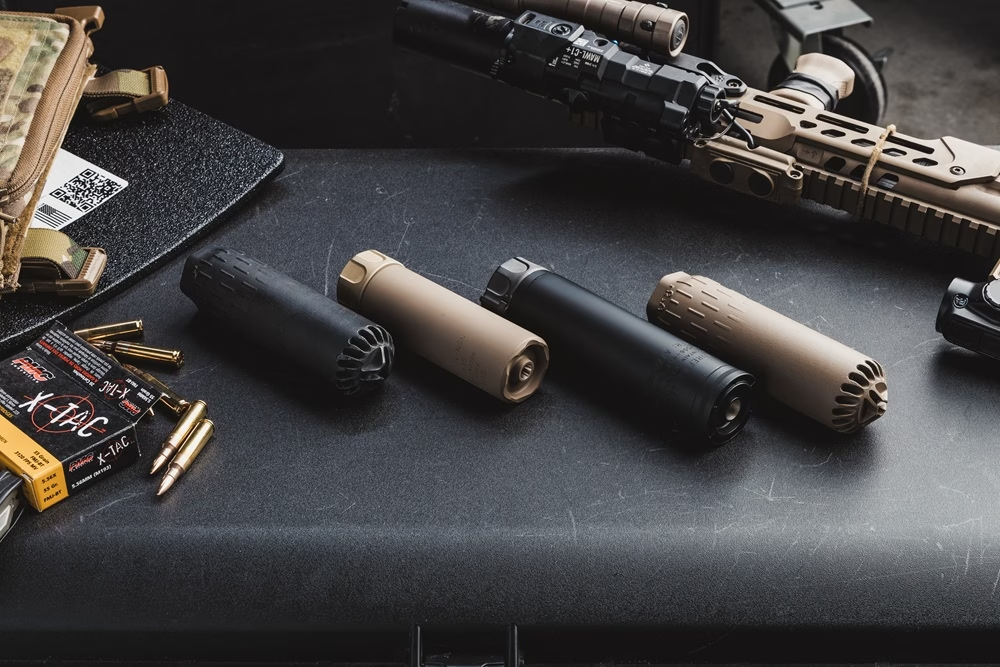
Suppressors reduce the sound and muzzle flash produced when a firearm is fired. Internally, they use baffles and expansion chambers to slow and redirect hot gases before those gases exit the muzzle.
Although suppressors help reduce sound signature, they do not make firearms completely silent. However, they can significantly reduce blast pressure, flash, and noise compared to an unsuppressed firearm.
Suppressors also vary by caliber, mounting system, material, length, and intended use. Therefore, choosing the correct suppressor for your firearm platform matters for both safety and performance.
Pistol Suppressors
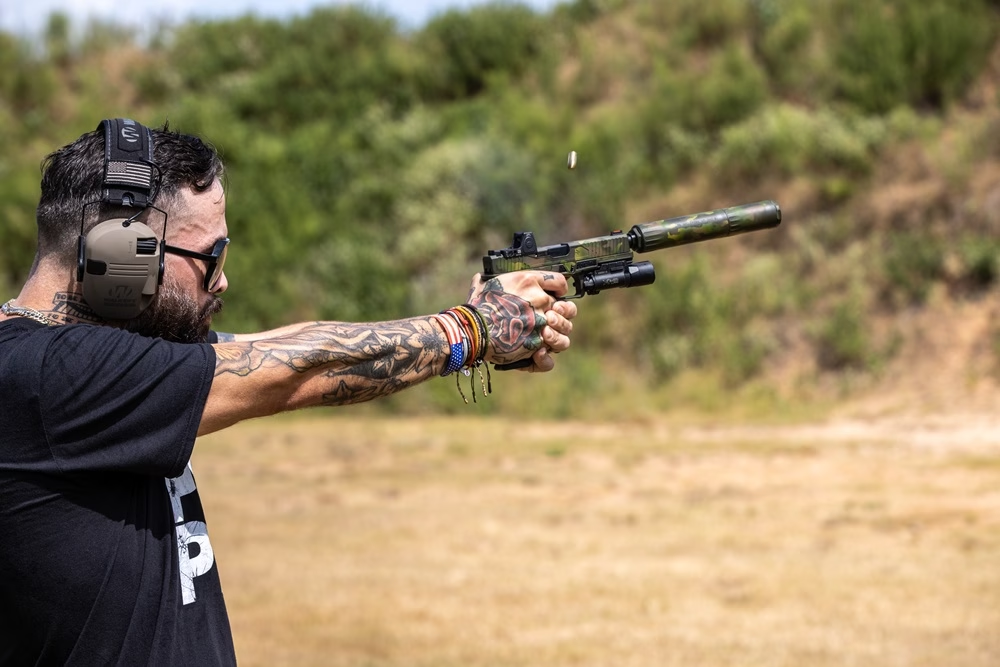
Pistol suppressors are commonly designed around handgun calibers such as 9mm and .45 ACP. Some models can also support subsonic rifle calibers like .300 Blackout depending on their rating.
Because pistol suppressors use a larger bore diameter, they may support multiple compatible calibers. As a result, many shooters use them across several handgun platforms and pistol caliber carbines.
Rifle Suppressors
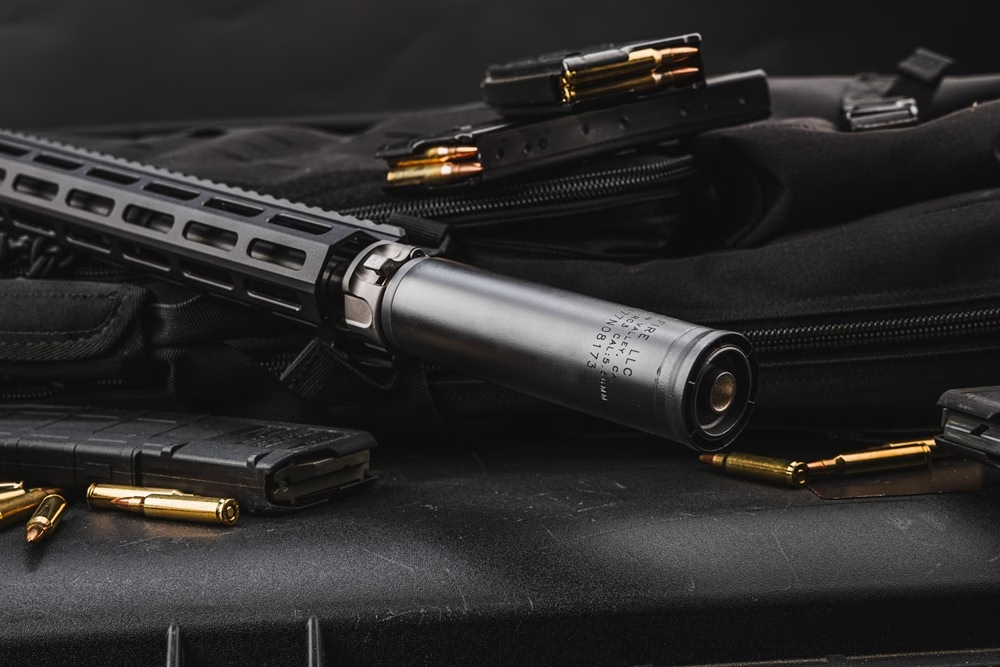
Rifle suppressors are typically optimized for rifle cartridges such as 5.56 NATO, .308 Winchester, and .300 Blackout. Since rifle calibers generate higher pressure, rifle suppressors usually focus heavily on durability and heat resistance.
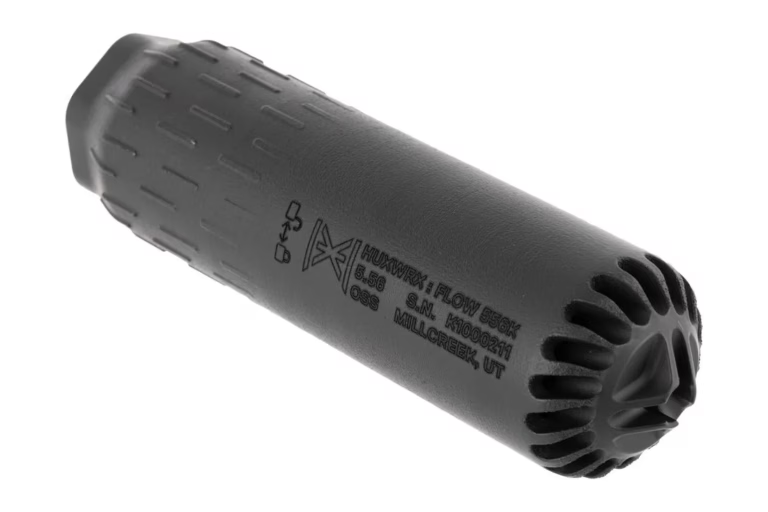
Dedicated 5.56 suppressors can provide excellent sound reduction and compact handling. Meanwhile, multi-caliber rifle suppressors may support several platforms while balancing performance and versatility.
Pros Of Using A Suppressor For Home Defense
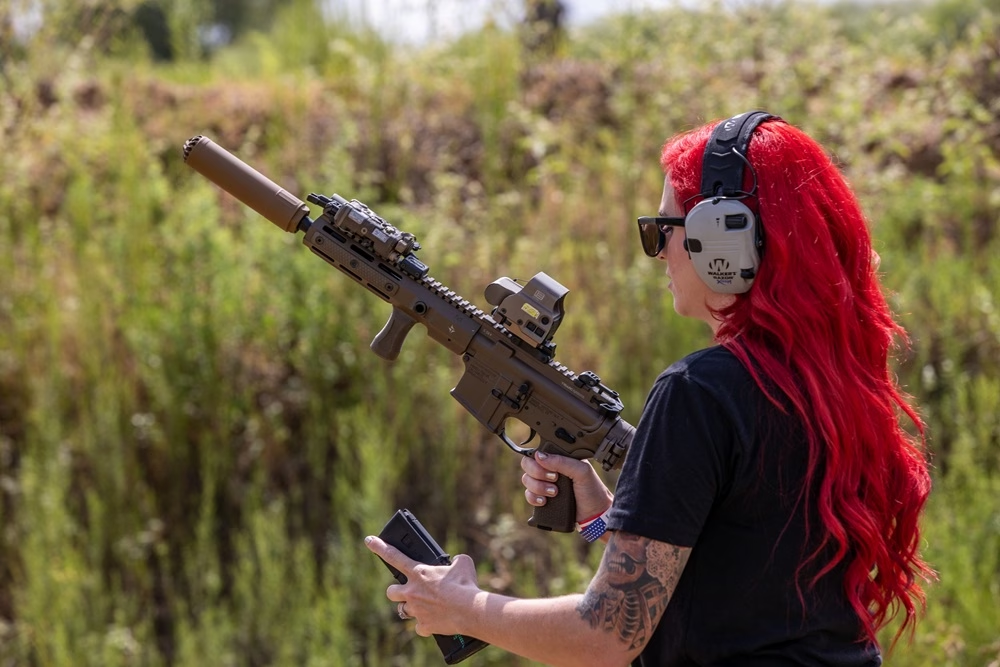
Suppressors can provide several advantages during home-defense situations. Besides reducing sound signature, they may improve communication, lower flash, and reduce concussion in enclosed indoor spaces.
Enhanced Hearing Protection
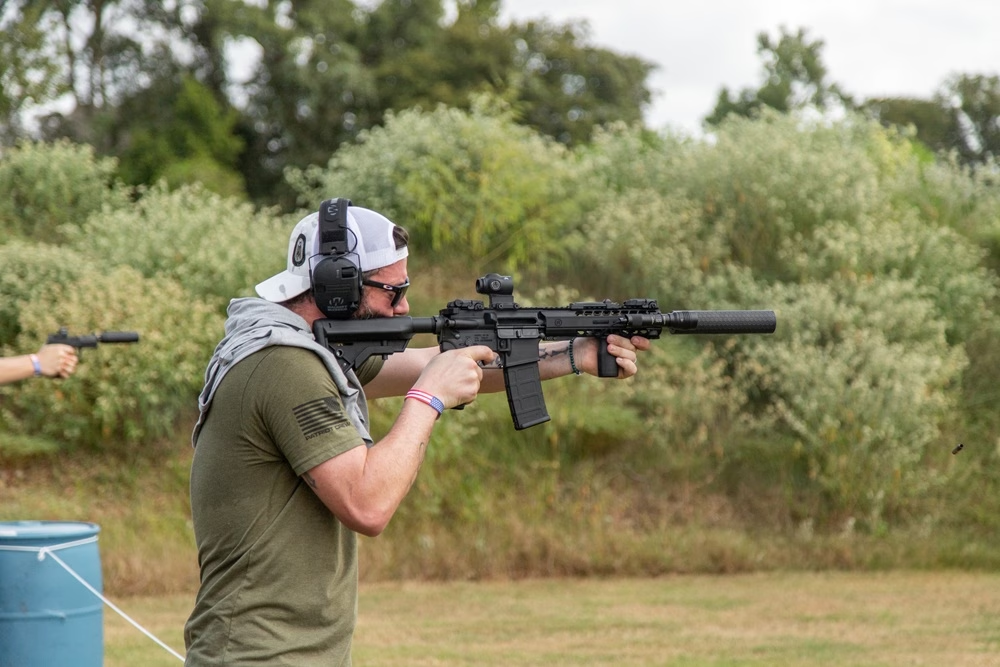
Indoor firearm use produces extremely high sound pressure levels. Consequently, a suppressor may help reduce the risk of severe hearing damage during emergency situations where hearing protection is unavailable.
Even with suppression, firearms remain loud. Nevertheless, reduced blast pressure can make a meaningful difference compared to firing indoors without a suppressor.
Reduced Muzzle Flash
Suppressors can reduce visible muzzle flash, especially in darker environments. Therefore, shooters may maintain better visual awareness and reduce temporary vision disruption during low-light conditions.
Better Follow-Up Shot Control
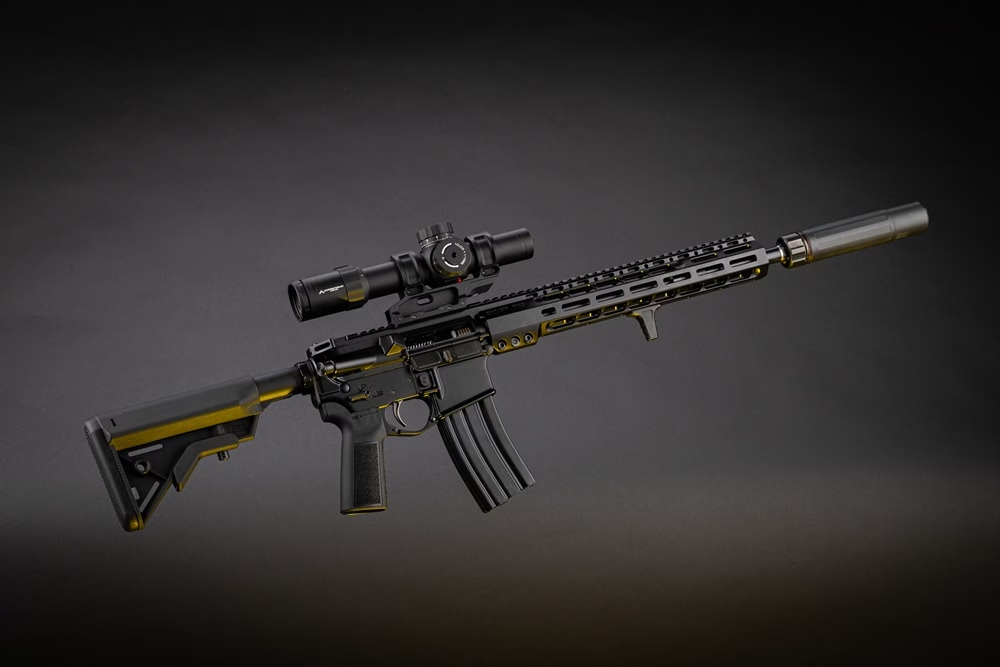
Many suppressors also help lower felt recoil and muzzle rise. As a result, shooters may regain sight picture faster and maintain improved control during rapid follow-up shots.
Suppressors work differently from traditional muzzle brakes because they focus primarily on gas containment and sound reduction instead of redirecting gas aggressively to the sides.
Considerations Of Using A Suppressor
Although suppressors offer advantages, there are still important considerations before choosing one for a defensive firearm setup.
Added Length And Weight
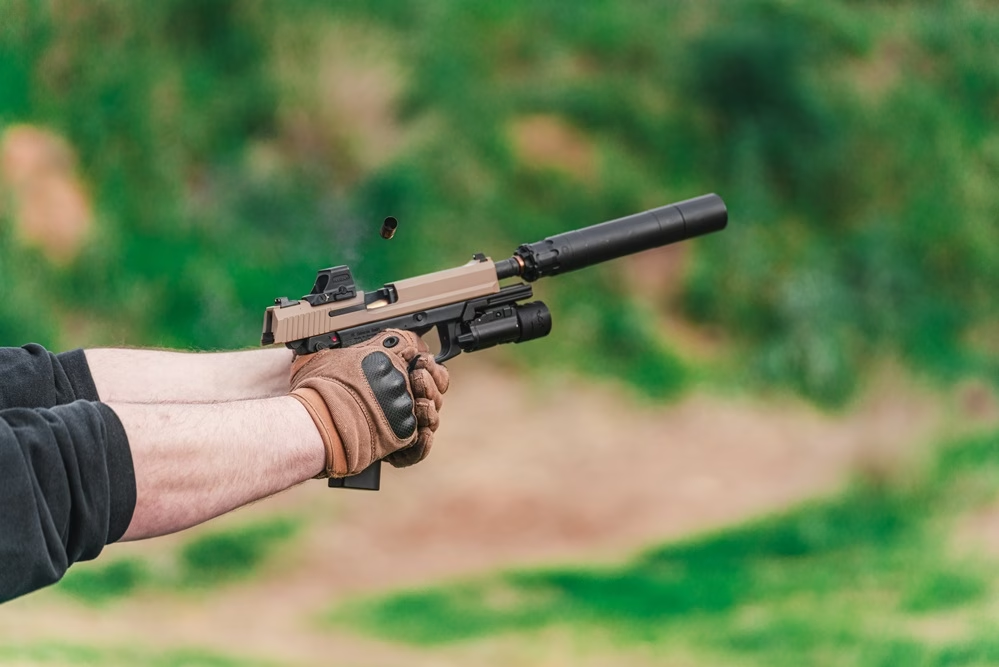
Suppressors increase the overall length and front-end weight of a firearm. Because of this, maneuverability inside hallways, vehicles, or tight indoor spaces can feel different compared to an unsuppressed setup.
Training with the complete setup remains important for improving handling confidence and movement efficiency.
Compatibility With Handguns
Not every handgun supports suppressor use out of the box. Threaded barrels, suppressor-height sights, and compatible recoil systems may be required depending on the firearm platform.
Greater Back Pressure
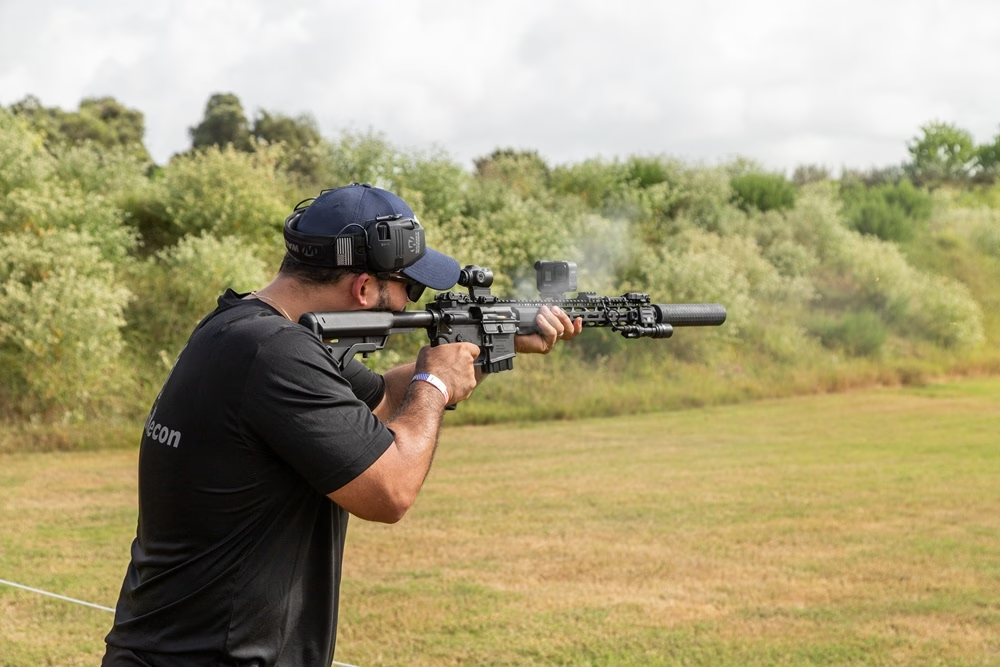
Semi-automatic rifles may experience increased gas blowback and back pressure when suppressed. Consequently, tuning gas systems, buffer weights, or using flow-through suppressor designs may improve shooting comfort.
Modern suppressor engineering continues improving gas management, especially for high-volume rifle setups.
Suppressor Purchasing Process
Suppressors are regulated NFA items in the United States. Therefore, buyers must complete additional paperwork and approval requirements before legally taking ownership.
Most suppressor purchases require ATF paperwork, fingerprint submission, background checks, and approval processing. Depending on filing method and approval volume, wait times may vary.
Many buyers now prefer digital filing systems because electronic submissions can simplify parts of the approval process compared to traditional paper filing methods.
Conclusion
Suppressors continue growing in popularity because they improve shooting comfort, reduce muzzle blast, and help lower sound signature. For home-defense use, they may also help reduce hearing damage risk and improve communication indoors.
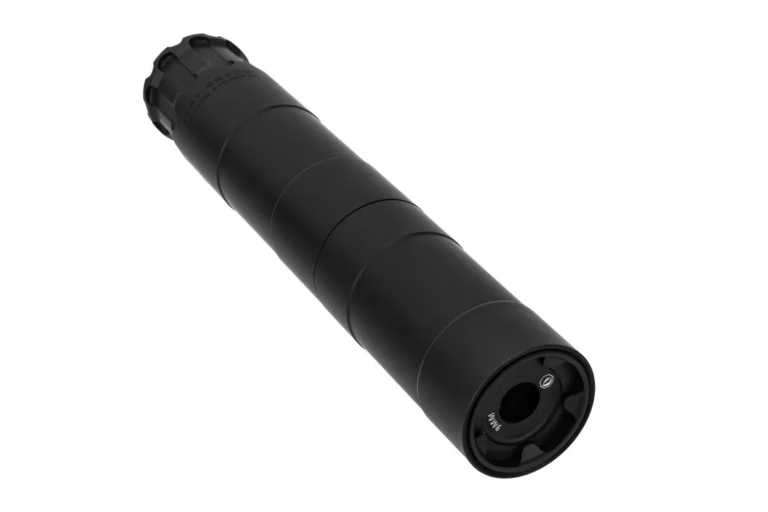
At the same time, buyers should consider factors such as firearm compatibility, added weight, suppressor ratings, mounting systems, and intended use before choosing a model.
Ultimately, selecting the right suppressor depends on your firearm platform, shooting style, training needs, and performance priorities.